Germanjet Magnetostrictive Sensors: Brand, Range and Supply
Two things are worth settling before choosing a sensor: what the brand actually builds, and who you get it from. Germanjet builds only magnetostrictive position and level sensors — no optical, no capacitive. In mainland China, selection, supply and service are handled by Shenzhen Yice Electric. This page sets out the brand boundary, how the range maps to applications, and how supply works.
What the principle decides
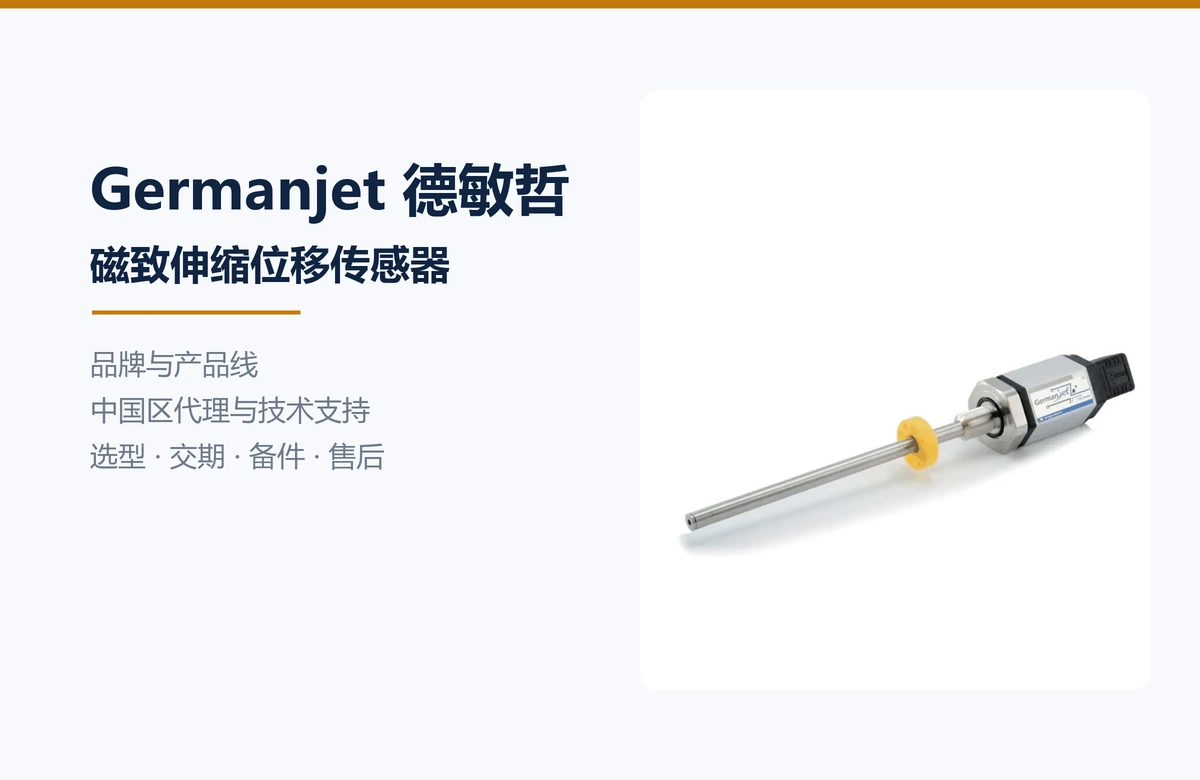
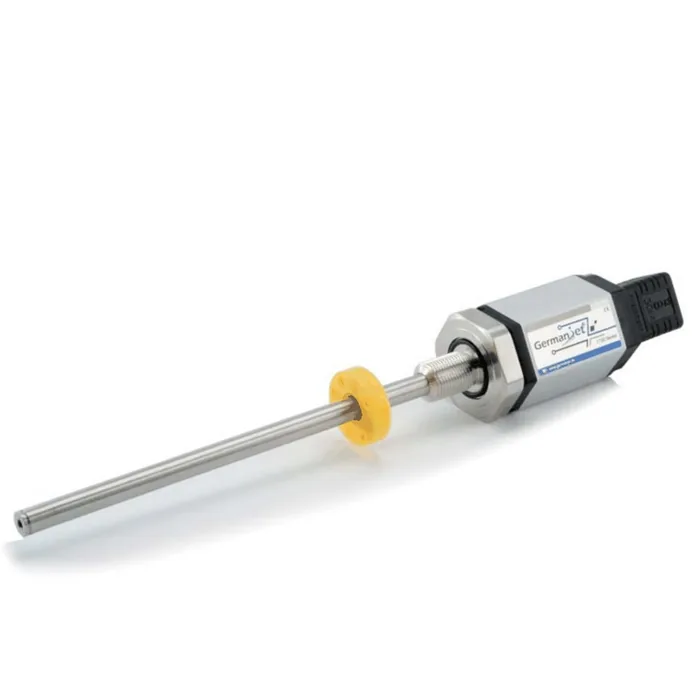
A waveguide wire, a magnet, and the time a pulse takes to travel and return. That gives three properties: absolute position that survives a power loss, no contact and no wear parts, and usable resolution over long strokes. It also sets the boundary — sub-micron work and strokes of a few millimetres belong to capacitive or eddy-current sensors, not to this principle. The range is split into position measurement, with a rod and a magnet, and level measurement, where a float replaces the magnet.
Mapping the range to an application
There are many model numbers but only a few structures. Start from where it mounts, then fix the interface:
| Construction | Series | Mounting | Typical duty |
|---|---|---|---|
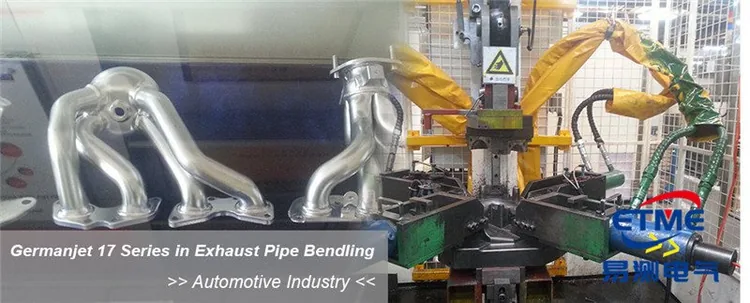
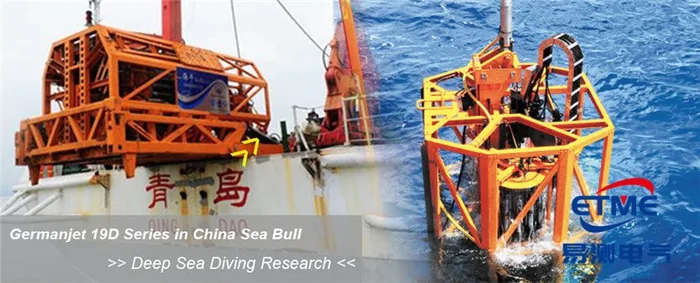
| In-cylinder | 16 / 19H | Rod bore or cylinder head | Injection moulding, die casting, presses |
| Cylinder integrated | 17 / 17EX | Threaded into the cylinder body | Mobile hydraulics, metallurgy, Ex areas |
| External rod | 18 / 19P | Outside the frame, magnet follows | Retrofits, adjustable strokes |
| General purpose | 12 / 13 | Frame, guideway, mobile hydraulics | Wall-thickness control, general position |
| Fieldbus | 194 / 195 / 197 / 198 / 199PROFINET | As above, driven by the master | Multi-axis, central control |
Interfaces are covered separately on this site: analogue (0-10 V, 4-20 mA, 0-20 mA), Start-Stop, SSI, CANopen, Profibus, EtherCAT, PROFINET, Modbus and IO-Link. The order that avoids rework is construction first, interface second, stroke and resolution last.
What the distributor provides
A distributor is not a pass-through, and the boundary matters as much as the service:
- Selection and cross-checking. Give stroke, envelope, medium, temperature, interface and ingress protection; the model is checked against the factory specification, with outline and bore drawings issued where the machine builder needs to confirm.
- Samples and documentation. Evaluation units, EDS / GSD / ESI files, wiring diagrams and datasheets — the material that actually gets used during commissioning.
- Spares and service. Common models held in stock; on split designs the probe alone can be replaced; calibration and repair go through the distributor rather than a full replacement.
- Not design or certification. Structure, certification and firmware belong to the factory. Non-standard work is assessed by them; the distributor cannot promise that a modification is trivial.
Telling a genuine unit from a rebuilt one
Three checks cover most of it. Read the nameplate: model, stroke, serial number and date of manufacture, all matching the accompanying documents. Read the bus identity parameters on CANopen models — vendor ID, product code and device type are in the EDS, and rebuilt or copied units do not match. Compare datasheet revisions: dimensions and electrical data should match the current issue line by line. If doubt remains, send the serial number to the distributor rather than guessing.
Where this technology is the wrong choice
A switch-only requirement is better served by a proximity or limit switch. Strokes of a few millimetres leave too little effective range against the dead zones, which belong to eddy-current or capacitive sensors. Ambient temperature beyond the model's rating can be mitigated with a heat shield but not solved, and long-term over-temperature shortens life. And strokes far beyond the standard range are non-standard work, so lead time and cost need settling before the design is frozen.
Questions that come up
How do Germanjet and Yice Electric relate
Germanjet is the sensor brand; Shenzhen Yice Electric is its distributor in mainland China, handling selection support, supply, spares and service. Documentation is passed through the distributor; design and certification remain with the factory.
Can I order by model number alone
Yes, if the model is complete. Stroke, output, connector and ingress protection are separate options within one series, so a series number alone is not enough. Give mounting position, stroke, interface and protection, and let the order be confirmed against them.
Are common models in stock
Common structures and strokes are stocked; availability and lead time vary by batch, so confirm before ordering. Non-standard and Ex models are scheduled by the factory, and their lead time is the factory's to quote.
Can just the head or the probe be replaced
On split designs yes, but a new head requires a fresh two-point calibration. Sealed one-piece designs are replaced as a whole. The order code and the joint between head and probe tell you which you have.
For selection questions, send the application details through contact. Full specifications are under the product centre, and application-based routes are on the hydraulic cylinder topic page.
Frequently Asked Questions
Q: Where is Germanjet from, and how does Yice Electric fit in
Germanjet is a magnetostrictive position and level sensor brand. Shenzhen Yice Electric is its distributor in mainland China, handling selection support, supply, spares and service; design, construction and certification stay with the factory.
Q: Can I order using only the series name
No. Stroke, output, connector and ingress protection are separate options within a series. Give mounting position, stroke, interface and protection so the model can be confirmed before the order.
Q: How do I know a unit is genuine
Three checks: nameplate model, stroke and serial number match the documents; on CANopen models the vendor ID and product code match the EDS; and the datasheet revision matches the current issue from the distributor.
Q: When is magnetostrictive the wrong choice
For a simple in-position signal, strokes of only a few millimetres, ambient temperature beyond the model rating, or strokes far past the standard range where non-standard work is needed.
Related Products
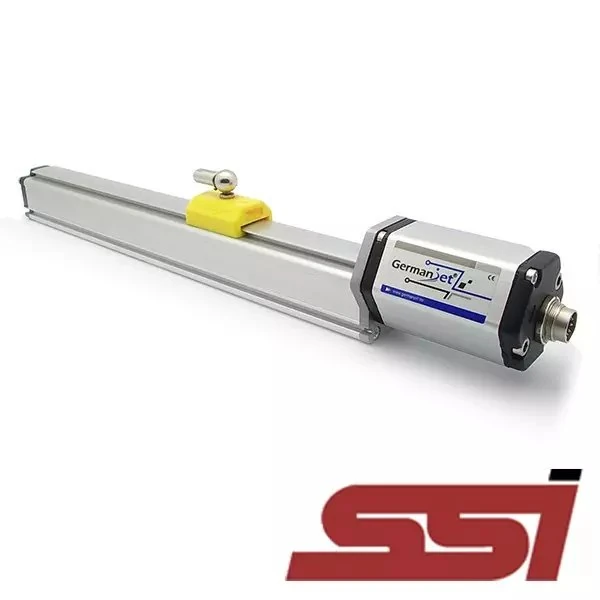
Whatever the question above, it comes back to the same device.magnetostrictive displacement sensorThe product range lists every series by stroke, mounting style and output interface, which is the quickest way into a selection.
← Back to News