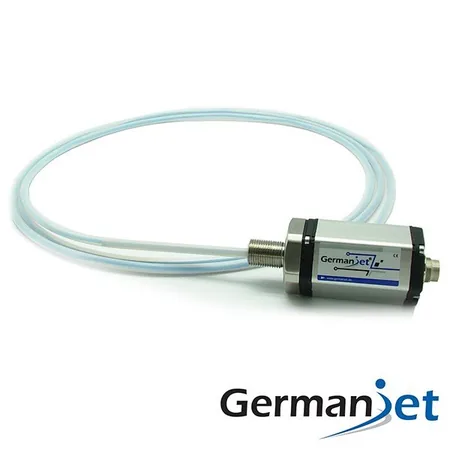
Magnetostrictive Displacement Sensor Fieldbuses: CANopen vs Profibus for Position Feedback
CANopen and Profibus both look like serial buses, but CANopen runs on a CAN differential pair, not the Profibus RS-485 layer. Serial fieldbuses already include two types: 194 CANopen and 195 Profibus DP. Roles: CANopen is controller and node; Profibus is master and slave. This page compares those two only.
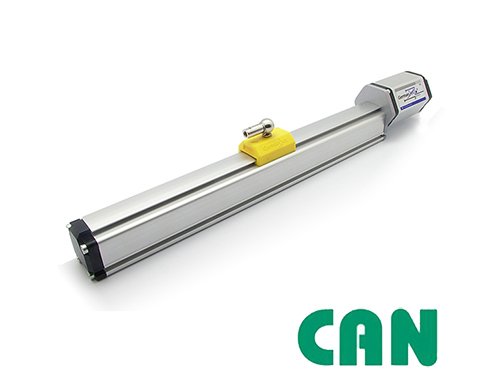
Separate the physical layers first
| CANopen (194) | Profibus DP (195) | |
|---|---|---|
| Physical layer | CAN differential pair — not RS-485 | RS-485 twisted pair |
| Application layer | CANopen (position per DSP406) | Profibus DP |
| Description file | EDS | GSD |
| Termination | 120 Ω at both ends of the segment | End plugs ON, and that device must be powered |
| Cable length | Higher baud, shorter allowed length | The same inverse rule |
Terminate CAN with 120 ohm at both ends; on Profibus the end plug must sit on a powered device, not a parked one. Treating CAN as RS-485 when you buy plugs, terminators and repeaters shows up as error frames and intermittent faults. Termination and length: why it has to be 120 Ω.
CANopen (194) — advantages
- Mobile controllers on excavators, implements and access platforms almost always have CAN, so joining the machine network is cheap.
- Several rods share one shielded pair, unlike one analogue pair per axis.
- Position on PDO, parameters on SDO; faults can be raised with EMCY without polling.
- DSP406 already places the position objects, so a type swap need not rewrite the mapping.
- Several magnets on one waveguide can map to several PDOs; analogue cannot.
CANopen — disadvantages
- Bandwidth and cycle determinism are below EtherCAT / PROFINET; it is not a drop-in for industrial Ethernet.
- SYNC is a medium synchronisation tool; strict simultaneous sampling belongs on the Ethernet pair.
- Baud must be identical on the whole network; one wrong node can take the bus down.
- Topology is a line with short drops, not a star. Missing end termination or extra resistors in the middle both reflect.
Object dictionary and baud: 194 explained, PDO/SDO.
Profibus DP (195) — advantages
- Many S7-300 / S7-400 lines still run DP; replacing the rod need not replace the PLC or the trench.
- GSD import, station numbers and diagnostic telegrams are familiar to electricians.
- Polled diagnostics can tell “no response” from a parameter or configuration mismatch — better than a single analogue current.
- The dedicated plug is a feed-through; unplugging a middle station usually leaves the trunk intact (end plugs excepted).
Profibus — disadvantages
- New projects rarely choose it on purpose; a new Siemens CPU speaks PROFINET.
- Master–slave polling has no DC / IRT sample-time alignment.
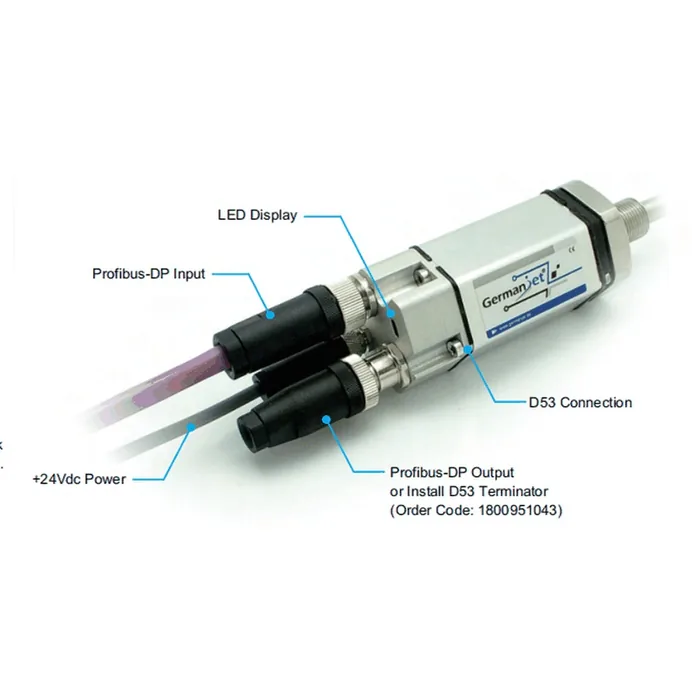
- The terminating plug must sit on a powered end device; parking it on a dead station is the same as no match.
- At high baud, spurs must stay short — same as CAN, you cannot star-wire by habit.
GSD and diagnostics: 195 explained, GSD configuration.
One-line choice
- Mobile machine, CAN already on the controller: 194.
- Installed Siemens DP network: 195.
- New S7-1200/1500: do not keep Profibus just because it is still Siemens — see 199 PROFINET.
- Fast multi-axis sync: neither serial bus is first choice; look at EtherCAT.
Four-bus table: comparing the whole fieldbus range. Output types: output signals compared.
Frequently Asked Questions
Q: Charts label CAN as RS-485 — can I share the cable plant?
Do not treat CAN as RS-485. Physical layers differ. 194 uses a CAN pair and 120 Ω at both ends; 195 is the Profibus RS-485 plug terminator.
Q: Should a new project still pick 195?
If the master is already S7-300/400 DP, 195 is the cheap path. If the new CPU is S7-1200/1500, choose PROFINET rather than keeping DP for familiarity.
Q: Do both buses need terminating resistors?
Yes. CAN: 120 Ω at both ends. Profibus: end plugs ON, and that device must be powered. The two Ethernet types do not need them.
Q: Can Modbus-RTU and Profibus share one port?
No. Both may use RS-485, but protocol, baud, termination and GSD/station numbers are different families. How Modbus reads position is a separate briefing; it is not the same port as 195.
Related Products
Related Applications
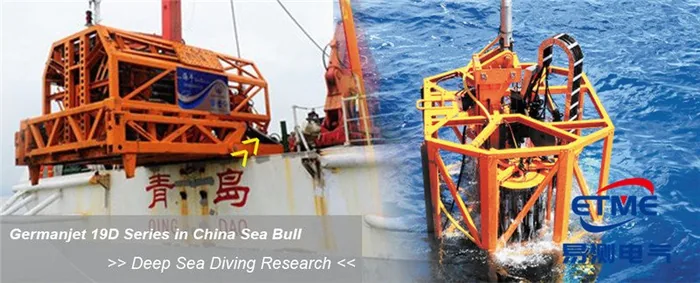
Series 19D Split-Type Process Displacement Sensor Application Cases
View Details
Series 19H Cylinder-Integrated Process Displacement Sensor Application Cases
View Details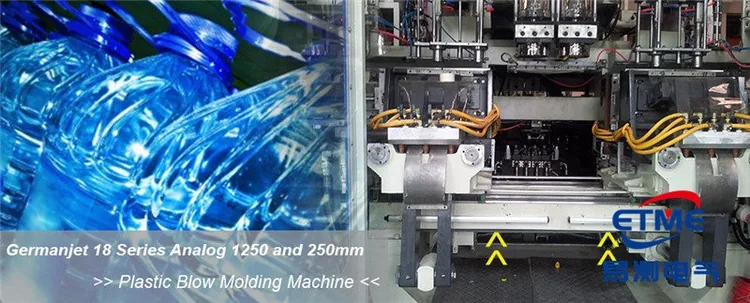
Series 12 General-Purpose Magnetostrictive Displacement Sensor Application Cases
View Details