Displacement Sensors in Five Heavy Industries: Die Casting, Curing, Bending, TBM, Steel
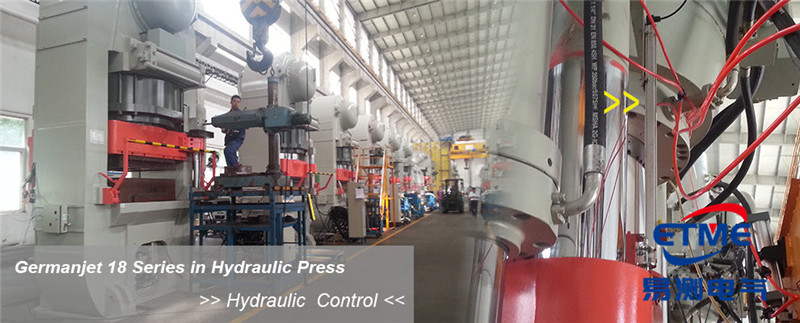
Five heavy industries share one measurement job: knowing exactly where a hydraulic cylinder is. Die casting, rubber curing, press braking, tunnel boring and steel rolling all run on cylinder position feedback — and in all five, magnetostrictive displacement sensors do the work. This article explains what each industry measures, how the sensor is used, and the selection points that differ.
Die casting: injection stroke and clamp position
The injection cylinder drives the shot into the die at high speed, and the clamp holds the die shut under tonnage. Both need fast, reliable position feedback in an oily, hot environment. Use a sealed in-cylinder or well-protected external sensor; keep the cable away from the shot end.
Rubber curing press: platen open / close travel
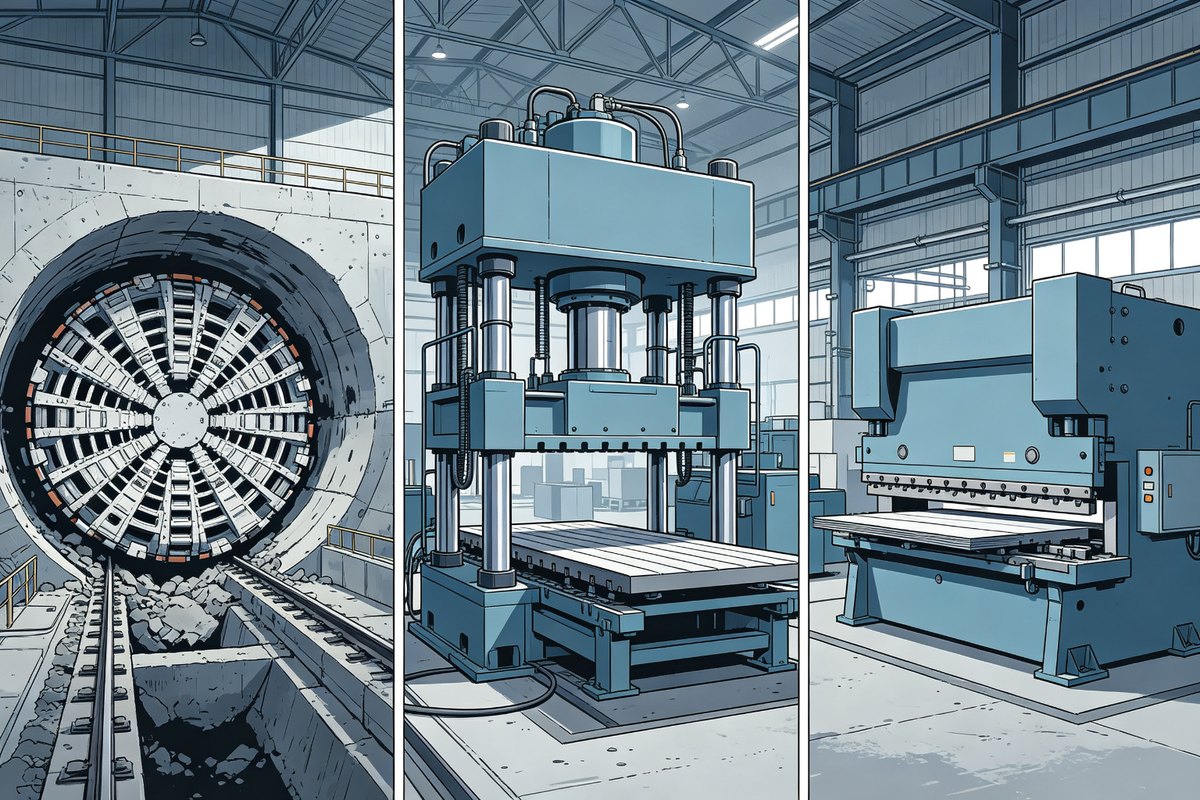
A curing press opens and closes a heavy platen thousands of times. The sensor measures platen position for open / close control and daylight setting. Repeatability matters more than extreme resolution — a stable, repeatable close position protects the mould.
Press brake: slide position
The slide position decides the bend angle. This is the accuracy-critical one: use a magnetostrictive sensor with high repeatability, mounted on the slide or on the two side cylinders, and feed the value to the CNC for angle correction.
Tunnel boring machine: thrust cylinders and segment pose
A TBM pushes itself forward with a ring of thrust cylinders and erects segments with other cylinders. Every cylinder carries a sensor to calculate advance direction and machine pose. The environment is wet, dusty and impossible to service — choose IP68 and non-contact (no wear) as a matter of necessity.
Steel plant: roll gap and lift tables
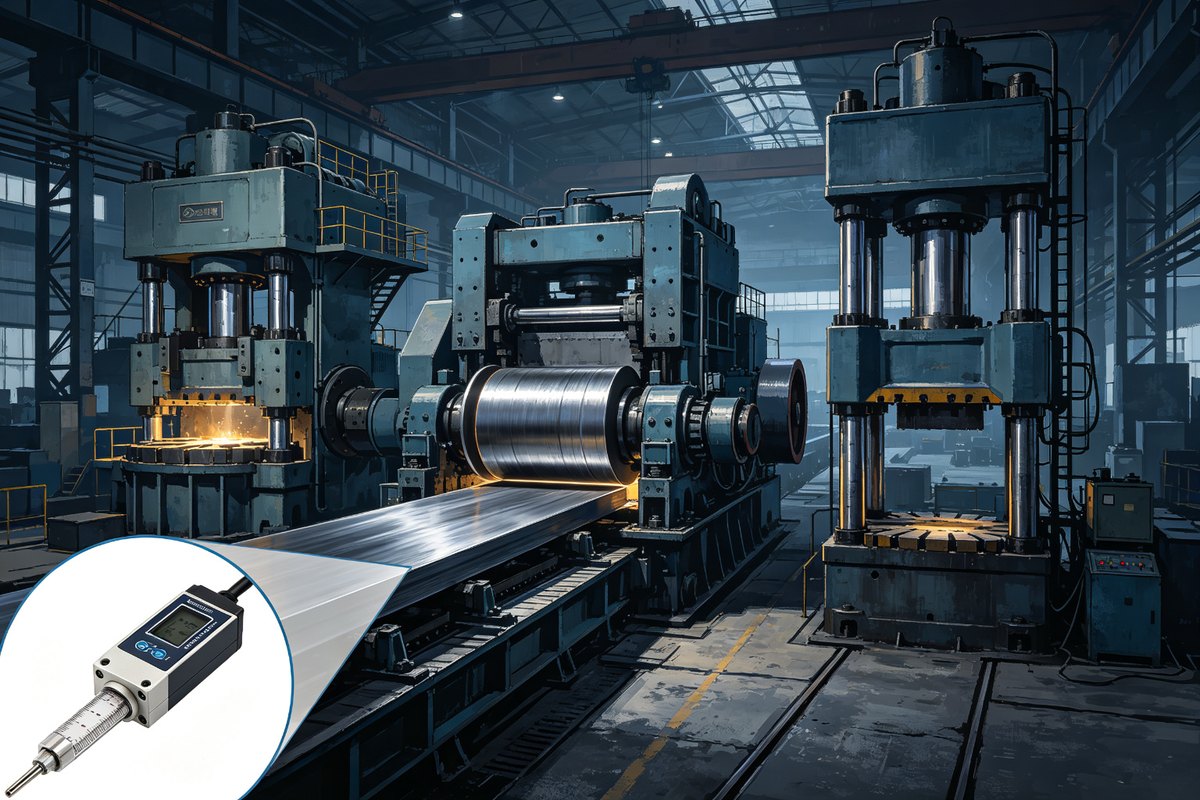
Rolling mills set the roll gap with hydraulic screwdowns, and the finishing line uses lift tables and pushers. High temperature, scale dust and vibration are the enemies; use heat-rated, sealed sensors and protect the rod from scale.
Common selection points across the five
- All five measure hydraulic cylinder travel — in-cylinder or heavily protected external mounting.
- Non-contact magnetostrictive suits them all: no wiper wear in vibration, oil and dust.
- Die casting and steel need heat-rated, sealed versions; TBM needs IP68; press brake needs the best repeatability. Sealed means IP67 or better as standard, and IP68 where water or slurry is present.
- Output follows the controller: 4-20 mA for old panels, CANopen / Profibus / EtherCAT for new PLCs.
Selection order is covered in displacement sensor selection, and application cases with pros and cons in magnetostrictive application cases.
Frequently Asked Questions
Q: Which industry needs the IP68 version?
Tunnel boring: wet, dusty and unserviceable thrust cylinders. Steel and die casting need heat-rated sealed versions; press brake needs the best repeatability.
Q: Do all five industries measure the same thing?
Practically yes — hydraulic cylinder position. The mounting form, protection and accuracy grade differ by industry, but the sensor family is the same.
Related Products
Related Applications
Multi-Industry Application Cases for Magnetostrictive Displacement Sensors
View Details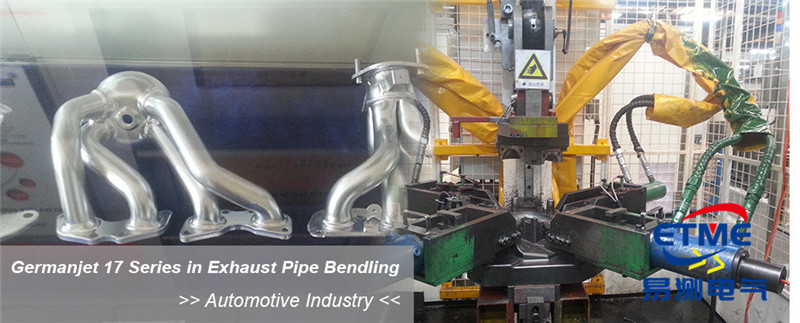
Series 16 Hydraulic Rod Magnetostrictive Displacement Sensor Application Cases
View Details
Series 17 Hydraulic Cylinder Integrated Magnetostrictive Displacement Sensor Application Cases
View Details