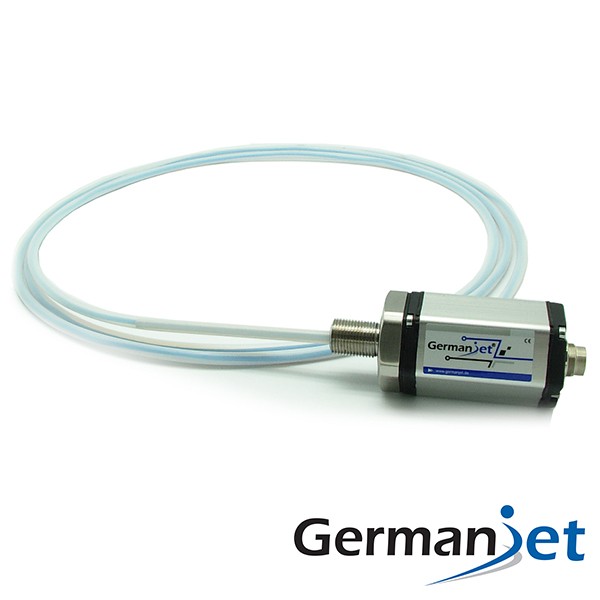
Magnetostrictive Displacement Sensor Applications: Cylinders, Moulding Machines, Rolling Mills
Magnetostrictive displacement sensors are chosen for three properties — non-contact, high precision and long life — and those properties decide where they are used: hydraulic cylinders, harsh environments and applications that cannot be serviced often. This article walks five typical application cases, then gives the pros and cons in one place.
Five typical cases
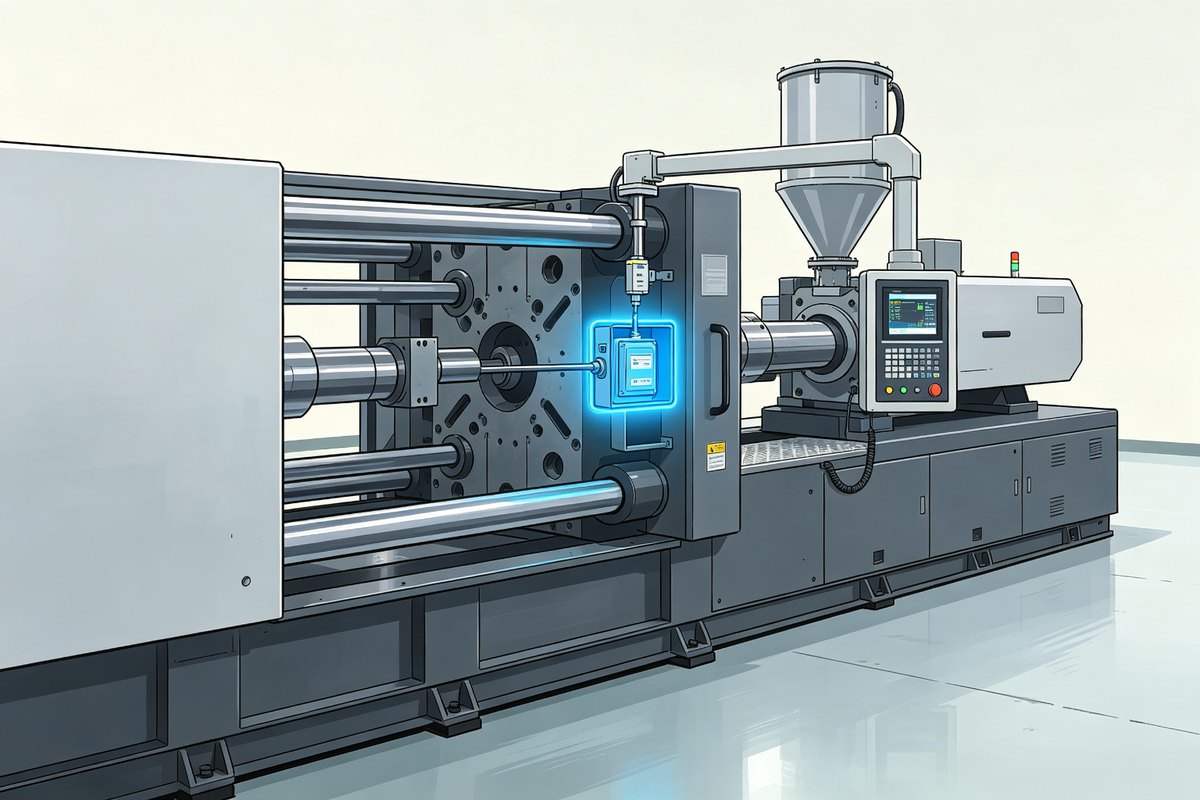
1. In-cylinder (injection moulding, die casting, hydraulic presses)
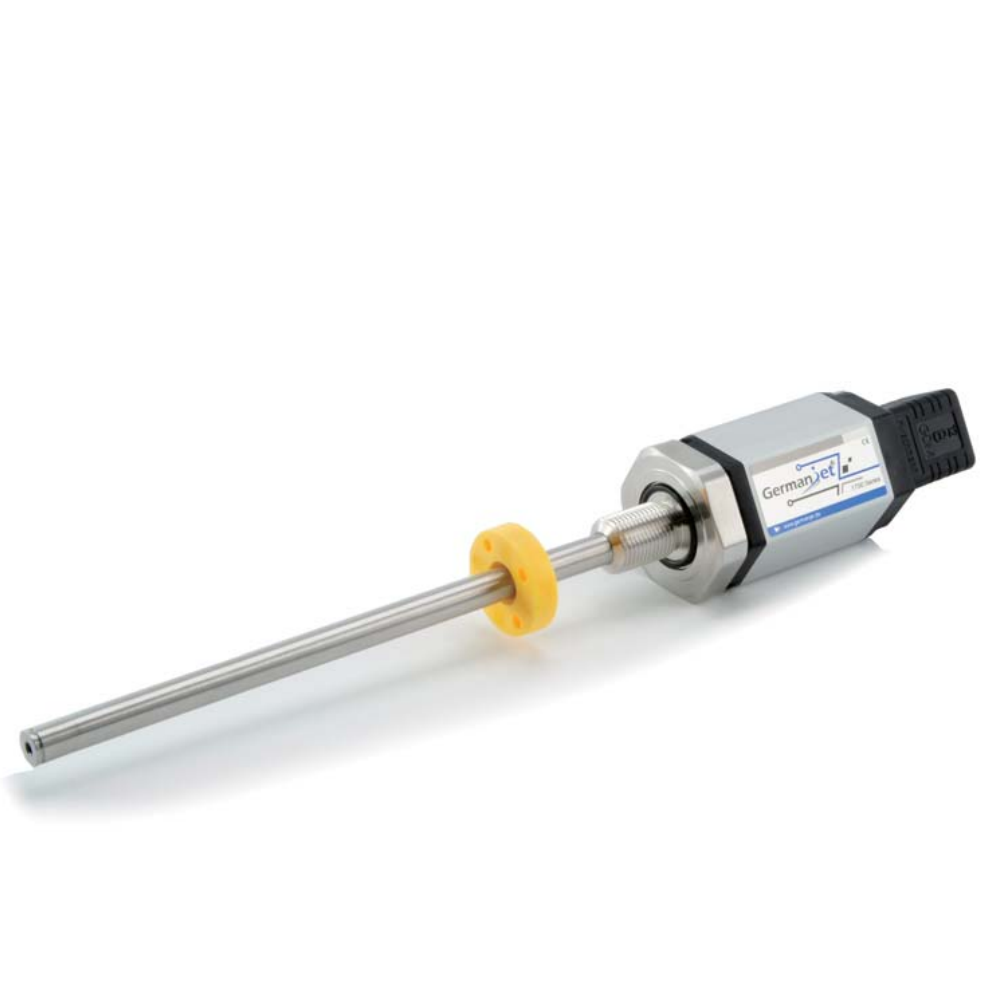
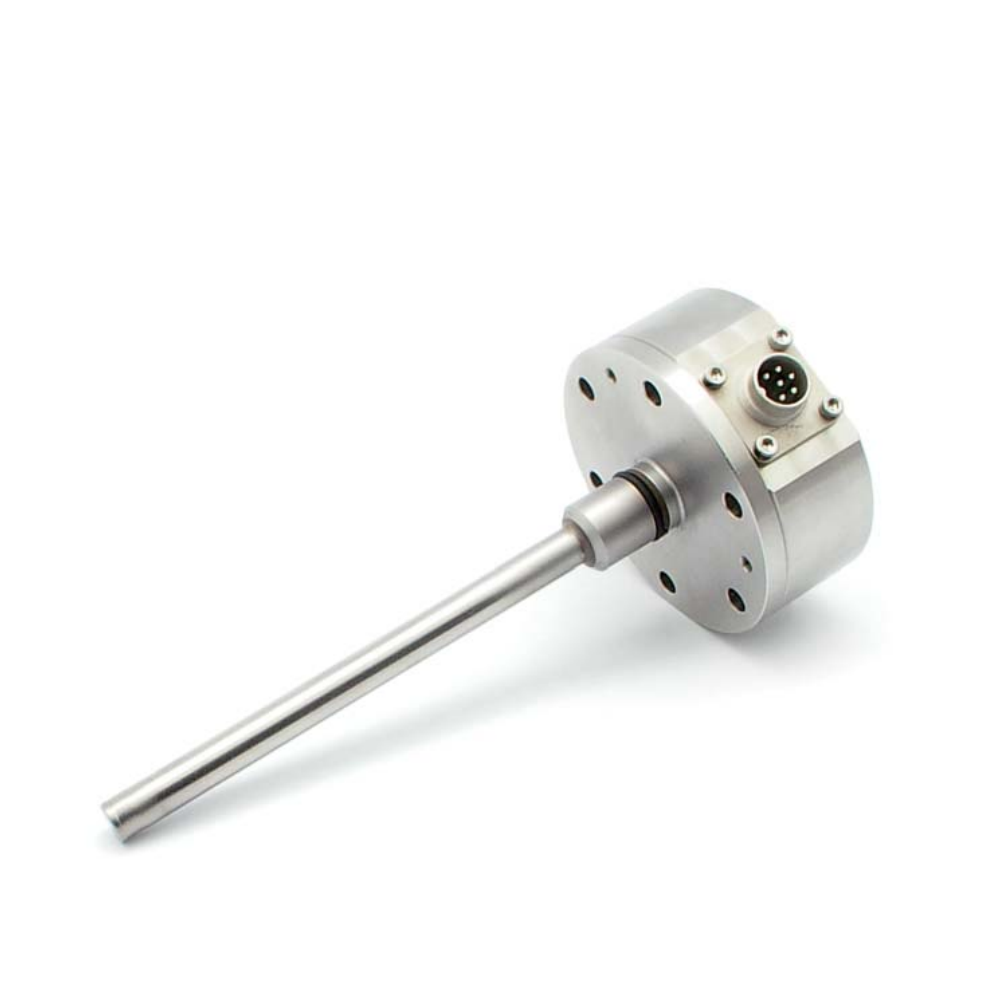
The rod goes through the cylinder head, the ring rides on the piston, and position is read through the oil. High-frequency cycling, oil and pressure make contact solutions short-lived — non-contact magnetostrictive is the standard. In-cylinder series 16 / 19.
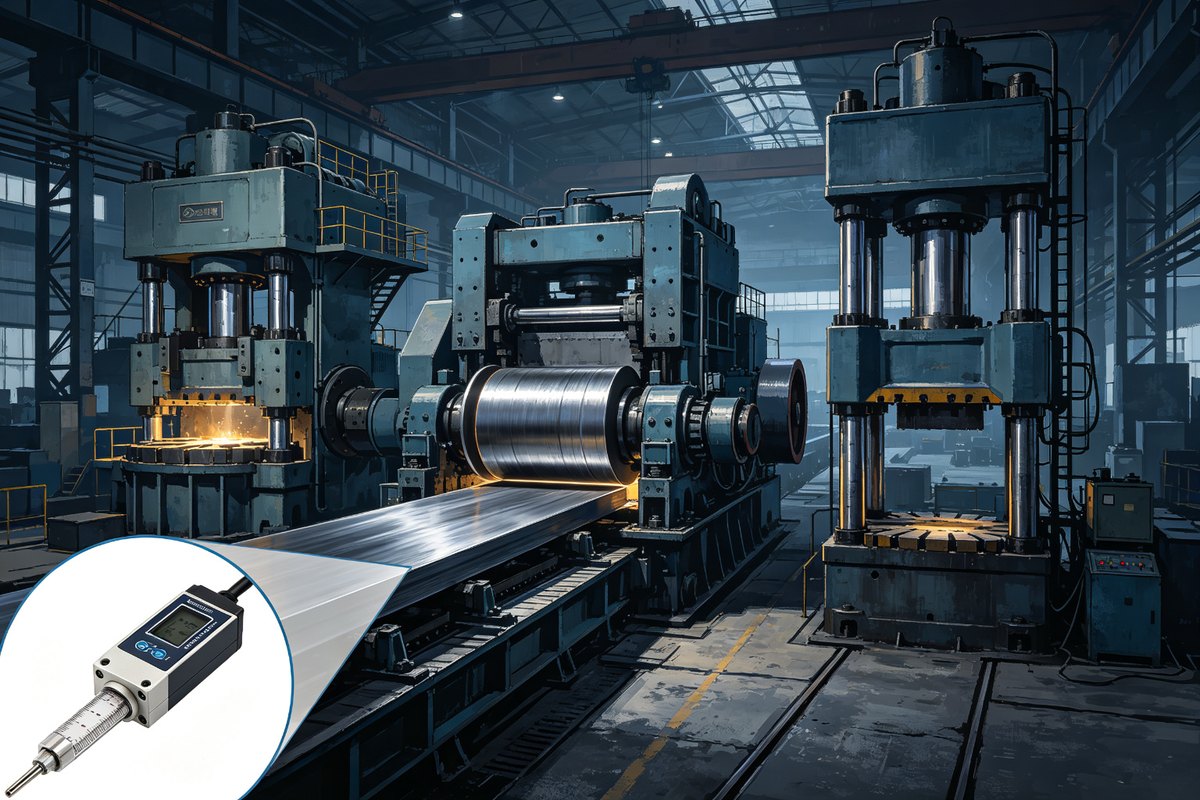
2. Roll gap and lift tables (steel plants)
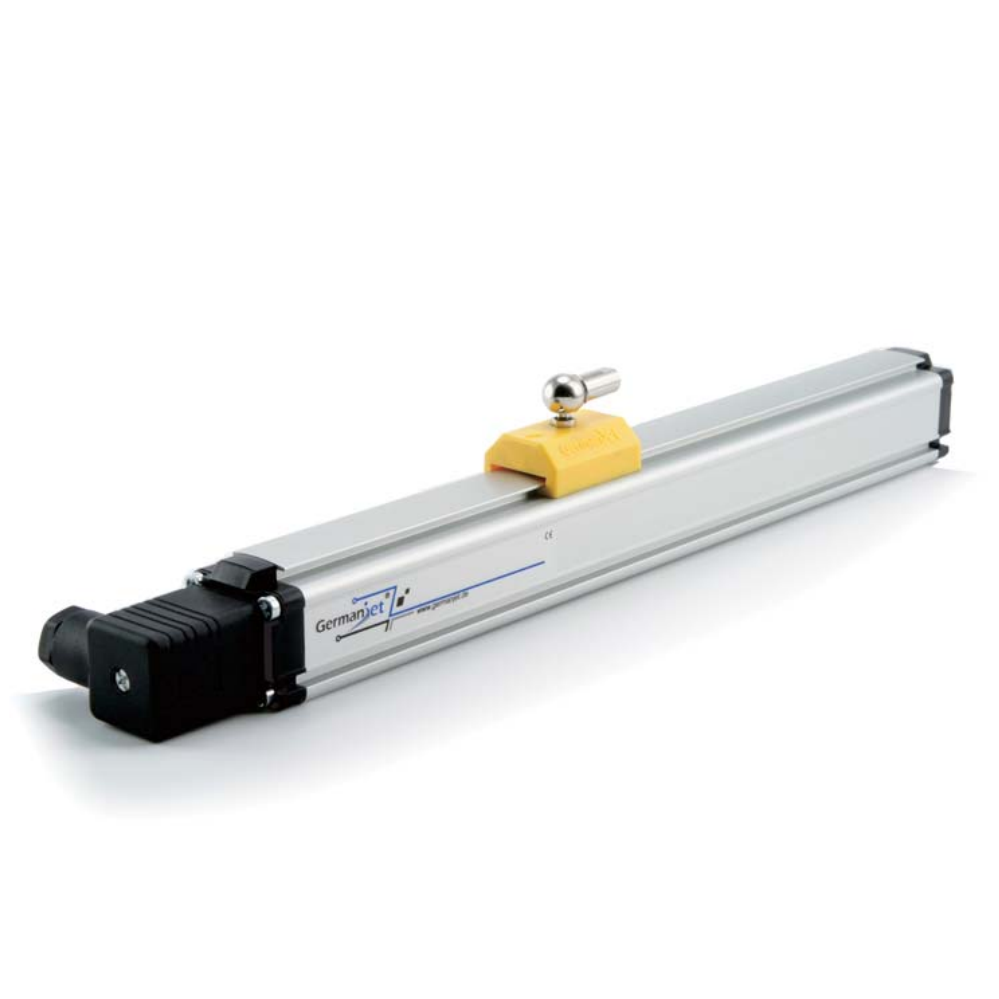
Roll gap screwdowns and lift tables run in heat, scale dust and vibration. Use heat-rated, sealed external sensors and protect the rod from scale. External series 17 / 18.
3. Press brake slide position
Slide position decides the bend angle, so repeatability is the priority. Mount on the slide or the side cylinders and feed the value to the CNC. External, high-repeatability version.
4. Gate opening and lift platforms
Water gate opening, stage lifts and logistics platforms need long stroke and reliability. Long-stroke external magnetostrictive is proven here — no wear, no maintenance.
5. TBM thrust cylinders (wet, vibrating, unserviceable)
Dozens of thrust cylinders push a tunnel boring machine; each carries a sensor to compute advance direction. Once installed it is very hard to service, so non-contact (no wear) and IP68 are essential. In-cylinder, IP68.
Pros and cons in one line
Pros: non-contact (no wear, long life, no maintenance), high resolution (down to 0.005 mm) and repeatability, strong resistance to oil, vibration and temperature, long stroke from tens of millimetres to metres.
Cons: higher price than a potentiometer electronic ruler, in-cylinder mounting needs the cylinder design to accept the rod, and the field around the ring must stay clean of strong magnets.
When to choose magnetostrictive
- Accuracy requirement at 0.01 mm or better.
- Oily, vibrating, wet or hot environment.
- Frequent cycling or a location that is hard to service.
- Long stroke or long-life requirement.
If the requirement is low precision and the environment is clean, a conductive plastic ruler is the economical choice — see selection method. For the heavy-industry details, see displacement sensors in five heavy industries.
Frequently Asked Questions
Q: Magnetostrictive or potentiometer ruler?
Magnetostrictive when precision is 0.01 mm or better, the environment is oily / vibrating / wet, or the location is hard to service. Otherwise a potentiometer ruler is cheaper.
Q: Is the magnetostrictive sensor maintenance-free?
Non-contact means no wiper wear, but the rod must stay clean of ferrous debris and the ring must not hit the mechanical ends.
Related Products
Related Applications
Multi-Industry Application Cases for Magnetostrictive Displacement Sensors
View Details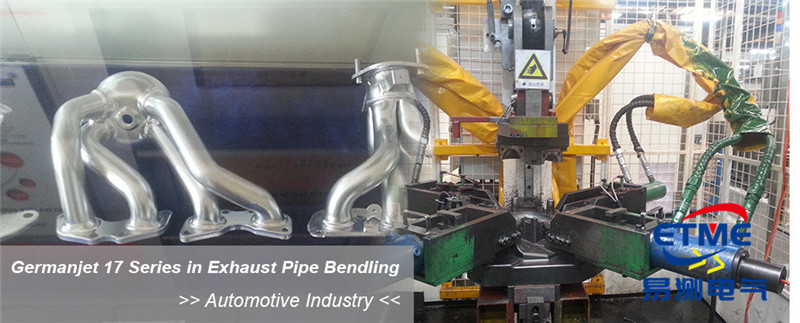
Series 16 Hydraulic Rod Magnetostrictive Displacement Sensor Application Cases
View Details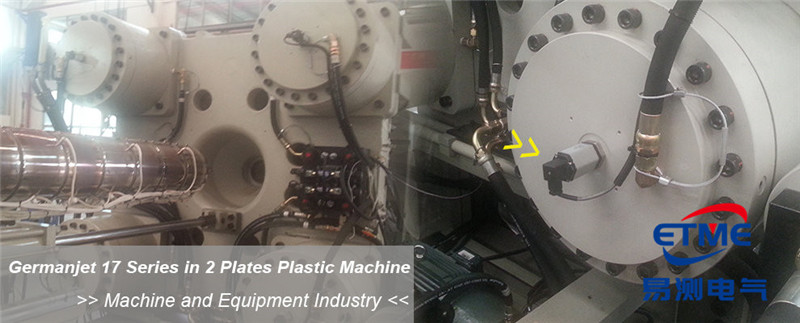
Series 17 Hydraulic Cylinder Integrated Magnetostrictive Displacement Sensor Application Cases
View Details