
RS-485 Sensor Network: Polarity, Termination, Repeaters
Among sensor interfaces, RS-485 is the cheapest and the quickest to get running: two wires plus a ground and it talks. Precisely because it looks trivial, it is the interface most often miswired. This article works backwards from symptoms rather than forwards from the protocol.
Reversed A/B: three different behaviours
Total loss of communication. The host sends requests and gets nothing back, every time. Polarity is fully inverted, so the receiver never recognises a start bit.
Works, but drops frames occasionally. Mostly fine, with CRC errors or lost frames under particular conditions. Usually only some nodes are reversed, or one segment of the bus is, producing reflections and level mismatch.
Frames arrive but fields are misaligned. Rare, and typically on multi-node buses with mixed polarity and drifting common-mode level. It looks like a protocol parsing bug.
The practical polarity test: measure DC voltage from A to B with a multimeter. At idle, a correctly wired bus shows a few hundred millivolts of positive bias. A negative reading means reversed; a reading near zero means bias resistors are missing or both ends are biased.
One warning: manufacturers do not agree on which wire is A and which is B, and some label A+/B- while others invert it. Across brands, never wire by letter. Check both wiring diagrams, or measure to establish polarity.
Termination: when it becomes mandatory
RS-485 is a differential bus, and signals reflect at the ends. Termination matches the characteristic impedance and absorbs the reflection.
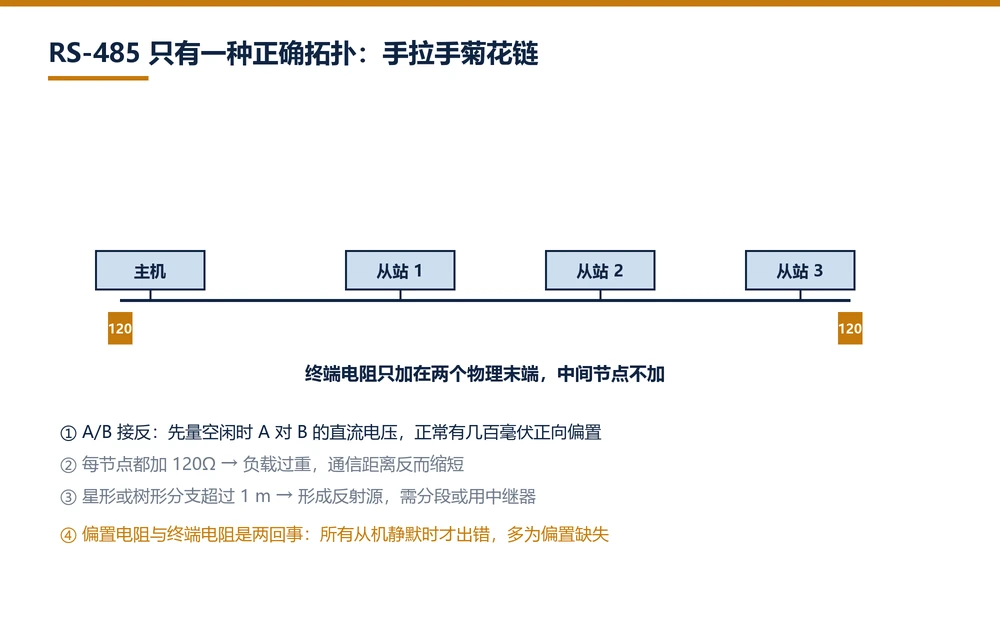
Mandatory when bus length exceeds 100 m, or baud rate is above 115200 bps. Either condition alone is enough. Short, slow buses often work unterminated, but working is not the same as being reliable.
Value follows cable impedance: 120 ohm for standard twisted pair, 100 ohm for some cables. Fit resistors only at the two physical ends, never at intermediate nodes.
Common errors: a 120 ohm resistor at every node, which loads the bus and shortens usable distance; or termination only at the host, leaving reflections at the far end.
Note that bias resistors are a separate item from termination. An idle bus needs a defined level, achieved by pulling A high and B low. Some transceivers include bias, others need external resistors. Communication that fails only in the gaps when no slave is transmitting usually indicates missing bias.
When a repeater is justified
Three conditions, each with a clear test.
Distance exceeded. RS-485 range is inversely related to baud rate: 1200 m at 9600 bps, roughly 100 m at 115200 bps. Design to 60 to 70 percent of nominal, and add a repeater beyond that.
Node count exceeded. Standard transceivers support 32 nodes. Beyond that, use higher-impedance transceivers or segment with repeaters. The symptom is a loaded bus with distant nodes failing.
Too many branches. RS-485 expects a daisy chain, but sites often produce stars or trees. Any branch longer than 1 m becomes a reflection source. Segmenting a tree into several chains with repeaters is the cost-effective fix.
A repeater is not a cure-all. Each segment needs its own termination and its own grounding, otherwise the problem changes from "does not communicate" to "drops frames occasionally".
When the PLC port cannot drive the bus
The pattern: one slave works, the fifth starts losing frames; or a long cable fails while a short one works. Driver capability is a fair suspicion, but eliminate three things first.
Termination fitted? This accounts for most cases. Is the topology a star? Is common-mode ground potential acceptable? Large differences between node earths look exactly like insufficient drive.
Only after those three are cleared should a repeater or an isolated transceiver module be added. Some PLC serial ports are integrated on the CPU without isolation and have limited drive capability; an isolated repeater is the least invasive remedy.
Four symptom patterns
| Symptom | Most likely cause | First action |
|---|---|---|
| No communication, timeout | A/B reversed, transceiver fault | Measure DC voltage from A to B |
| Occasional frame loss | Some nodes reversed, termination missing | Confirm one 120 ohm resistor at each end |
| Short cable works, long fails | Distance-baud rate product exceeded | Lower the baud rate, or segment with a repeater |
| Fails after the Nth node | Node count exceeded, bus overloaded | Fit termination first, then add a repeater |
Five wiring rules
Daisy chain only, no stars. Shielded twisted pair with single-ended shield bonding. One 120 ohm resistor at each end of the bus. Node stubs shorter than 1 m. No parallel run beside motor cable. Follow all five and RS-485 is the least troublesome interface available; miss one and it becomes the fault that comes back every month.
On a magnetostrictive sensor with RS-485 output, baud rate, parity and register address must match the host exactly. All three produce "no communication" when wrong, but diagnosis should still start at the wiring, because wiring errors are far more common than parameter errors.
Frequently Asked Questions
Q: What are the symptoms of reversed RS-485 A/B
Three: total communication timeout; mostly working with occasional lost frames and CRC errors; frames received but fields misaligned. Measure idle DC voltage from A to B, which should show a few hundred millivolts positive bias. A negative reading means reversed.
Q: When must termination resistors be fitted
When the bus exceeds 100 m, or the baud rate is above 115200 bps. Either condition is enough. Use the cable's characteristic impedance, typically 120 ohm, at the two physical ends only. A resistor at every node loads the bus and shortens range.
Q: When is an RS-485 repeater needed
When distance exceeds the baud-rate limit (design to 60 to 70 percent of nominal), when node count passes 32, or when the site is wired as a star or tree with long stubs. Each segment needs its own termination and grounding after segmenting.
Q: A PLC port cannot drive several slaves, what next
First eliminate three causes: missing termination, star topology, excessive common-mode ground difference. If all three are clear, add a repeater or an isolated transceiver module. Some PLC serial ports have no isolation and limited drive capability.
Related Products
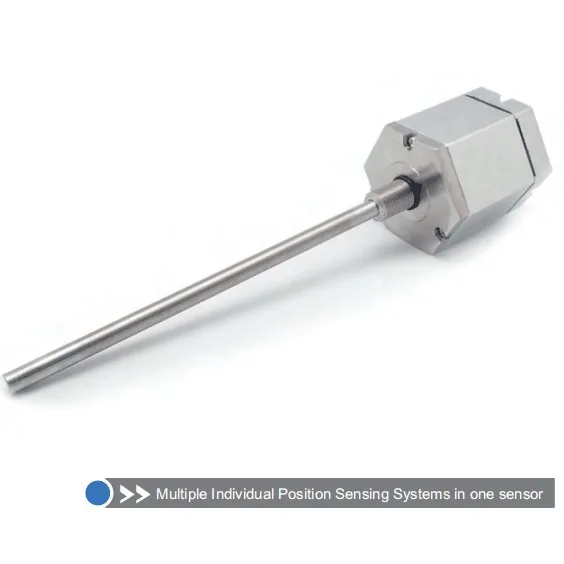
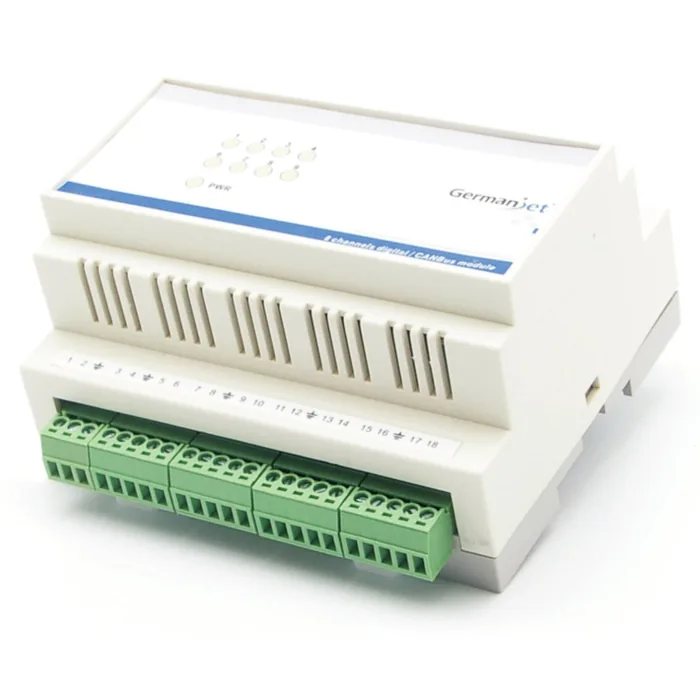
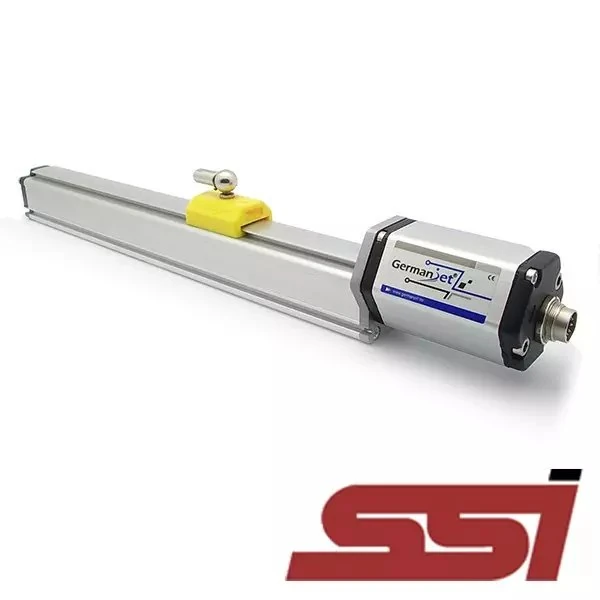
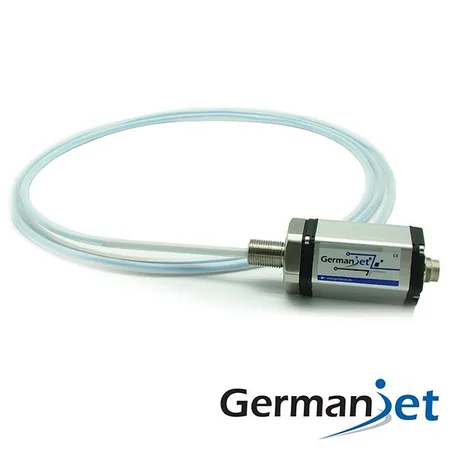
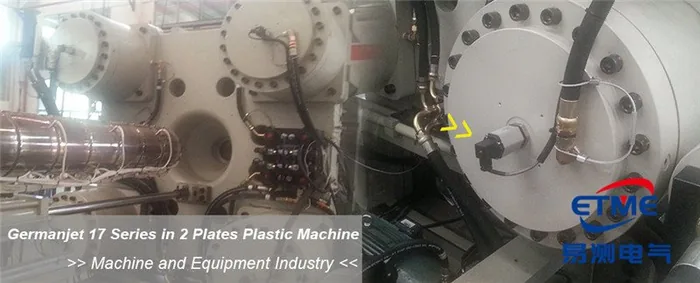
Whatever the question above, it comes back to the same device.magnetostrictive displacement sensorThe product range lists every series by stroke, mounting style and output interface, which is the quickest way into a selection.
← Back to News