
Magnetostrictive Displacement Sensor Redundancy: What Dual-Channel Output Really Buys
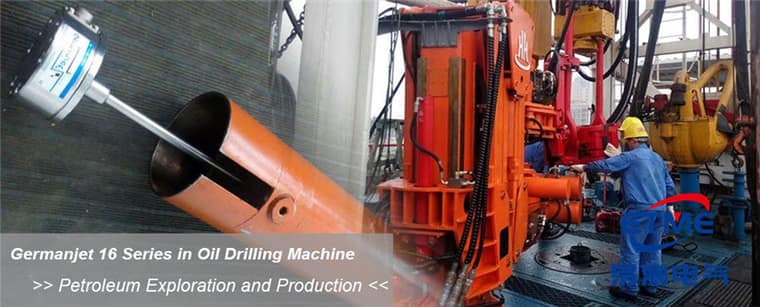
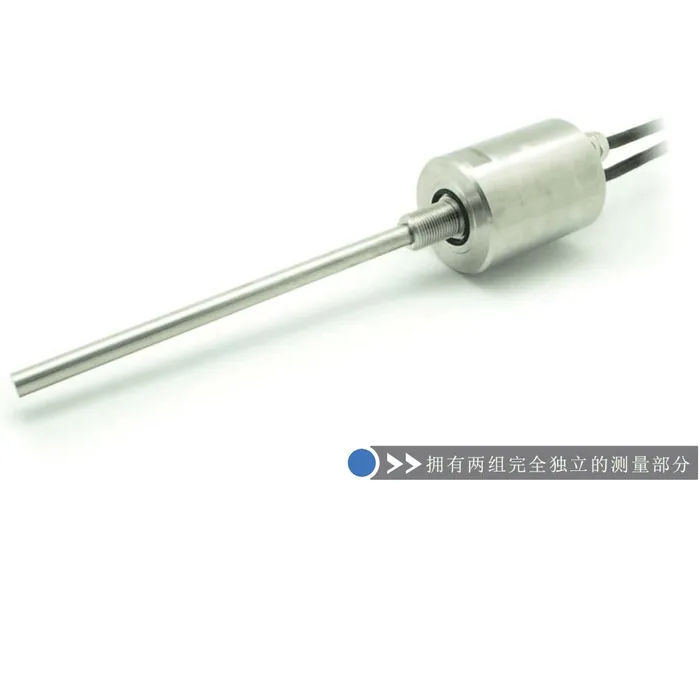
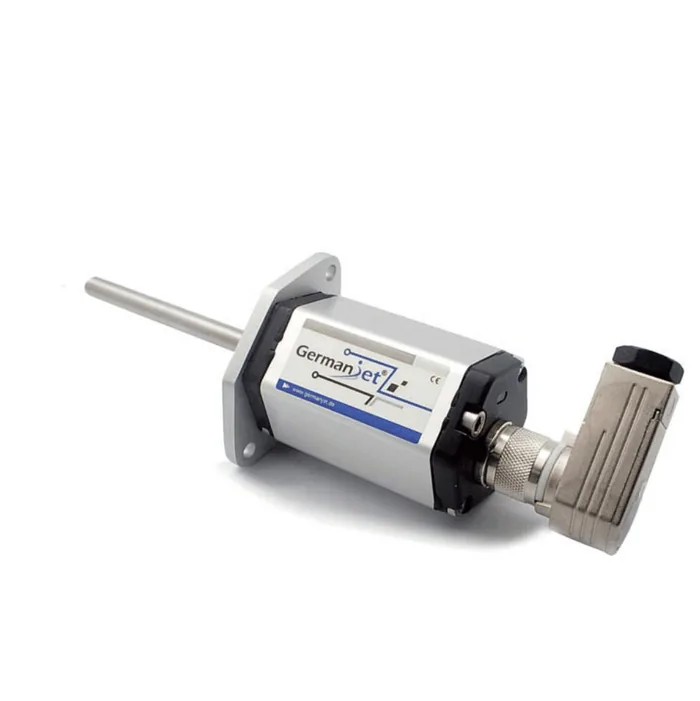
Redundant output on a magnetostrictive displacement sensor means the same measured position is given simultaneously by two independent sensing channels, for use in functional-safety-related applications. When one channel fails or drifts, the other can still provide position information, avoiding a single-point fault that would leave the machine uncontrolled. Germanjet's Series 16R redundant in-cylinder type uses this dual-channel design.
What redundancy is
Redundancy is not simply "dual output" or a simple copy of one signal sent to two outputs, but two measuring chains that are physically and electrically independent of each other: each channel has its own waveguide and magnet sensing, independent electronics head, independent supply and independent output. The system can compare the two readings in real time; once deviation exceeds a threshold or one channel fails, it alarms or switches at once to keep a safe state.
Functional-safety background
Where the consequences of failure are severe (for example metallurgical presses and large hydraulic presses), safety-related control is required to reach a given SIL (safety integrity level). Redundant measurement is one common means of meeting SIL requirements, together with a safety PLC to achieve fail-safe behaviour. See how to read functional safety SIL.
Implementation and comparison
| Criterion | Single channel | Sensor channel redundancy | Dual-sensor device redundancy |
|---|---|---|---|
| Channel independence | Single chain | Two channels in one body, independent supply and output | Two separate sensor bodies, fully independent |
| Single-point failure | Loss of control | Detectable, switchable | Detectable; needs room for two mounts |
| Typical duty | General industry | Safety-related / high-consequence | High-consequence where two mounts fit |
Engineering notes
- The value of redundancy lies in "independence"; sharing a supply or sharing a magnet between the two channels weakens safety;
- Site redundant installation and comparison checks are in redundant installation;
- Redundancy does not equal higher accuracy; it is safety redundancy, not accuracy redundancy.
Hydraulic-cylinder safety application background is in hydraulic cylinder position control; multi-magnet is "multiple positions", not "redundancy" — a different concept (see multi-magnet measurement).
Frequently Asked Questions
Q: Is redundancy just dual output?
It is independent dual channels, not a simple copy of the same output.
Q: When is redundancy needed?
In safety-related applications where the consequences of failure are severe, such as large hydraulic presses.
Q: How does Series 16R implement redundancy?
The redundant in-cylinder type provides dual channels with independent supply and output.
Related Products
Related Applications
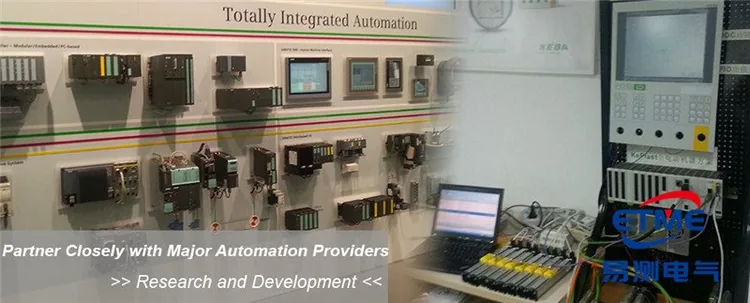
Multi-Industry Application Cases for Magnetostrictive Displacement Sensors
View Details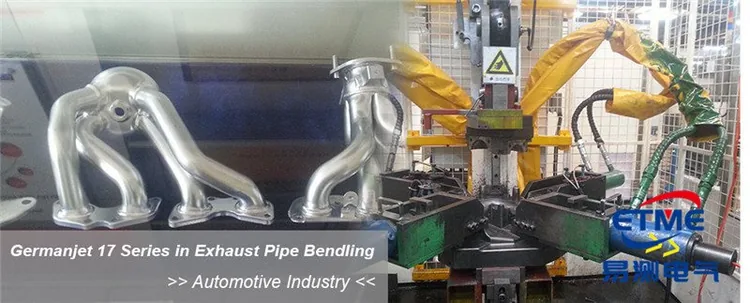
Series 16 Hydraulic Rod Magnetostrictive Displacement Sensor Application Cases
View Details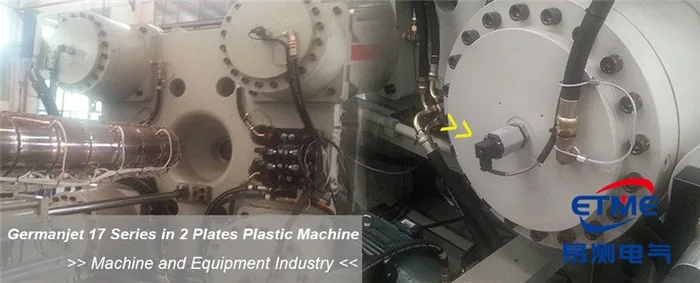
Series 17 Hydraulic Cylinder Integrated Magnetostrictive Displacement Sensor Application Cases
View Details