Magnetostrictive Displacement Sensors: A Panorama of Industrial Position Monitoring Applications
A magnetostrictive displacement sensor measures the "absolute position of the magnet on the waveguide" — once the magnet is mounted with the object being measured, what you obtain is linear displacement or stroke. That is why, on industrial sites, it covers almost every case of "needing to know where a part has moved to". This article surveys typical applications by industry and compares contacting solutions, so you can match a type quickly when specifying.
Typical applications of the six series
- Series 12 general-purpose: general machinery, test benches, non-hydraulic linear displacement feedback;
- Series 13 mobile hydraulic: injection molding machines, die-casting machines, mobile construction-machinery cylinder position;
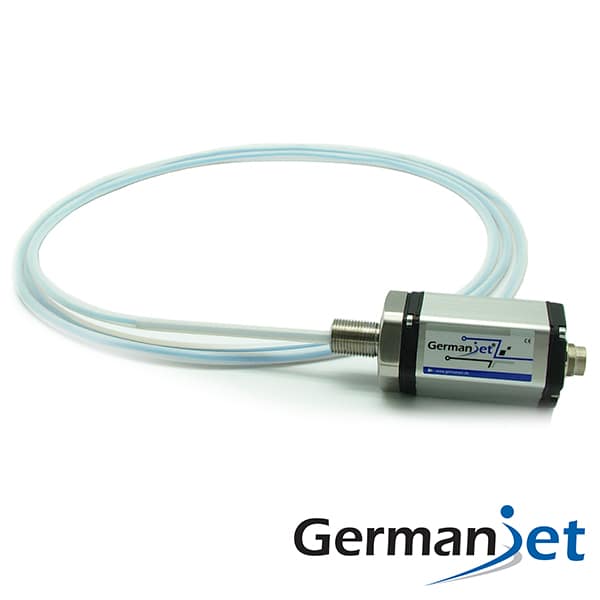
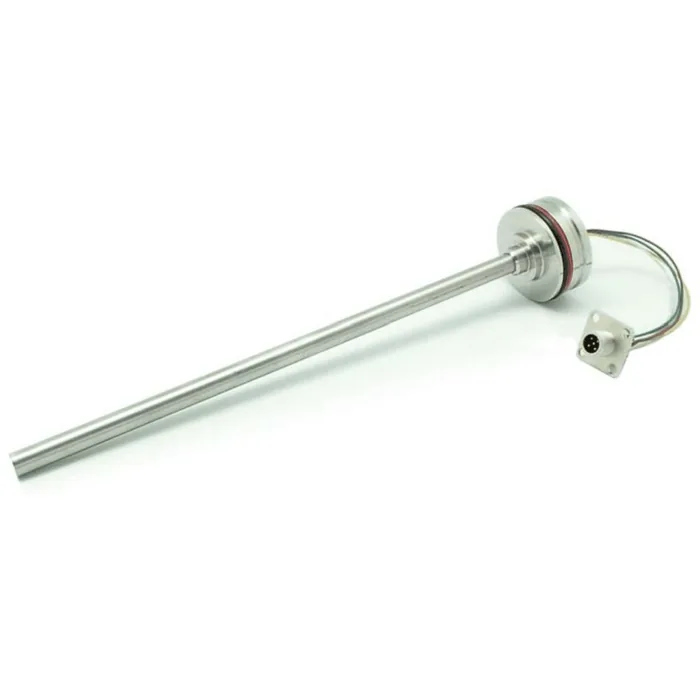
- Series 16 in-cylinder: flat housing, cap Ø18G7, piston position; 16R/16T redundancy optional;
- Series 17 hydraulic-cylinder integrated: in-cylinder position closed loop on metallurgical and servo hydraulic presses;
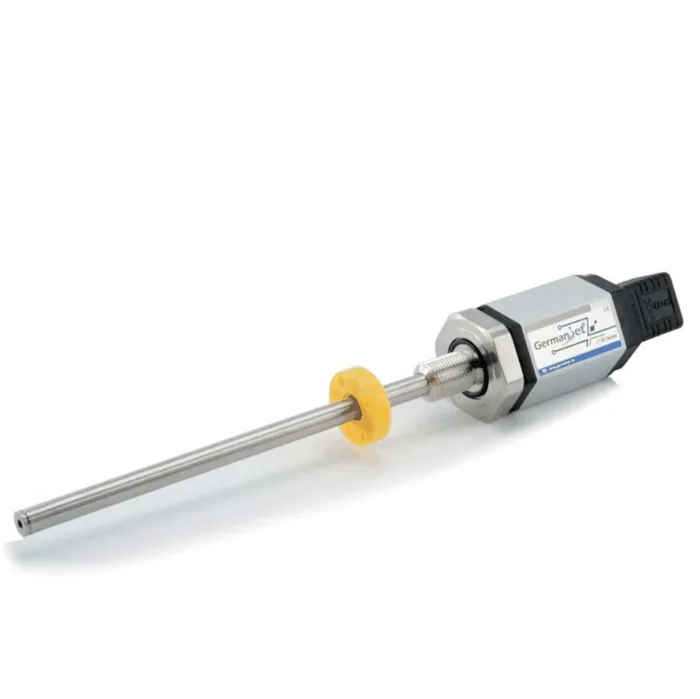
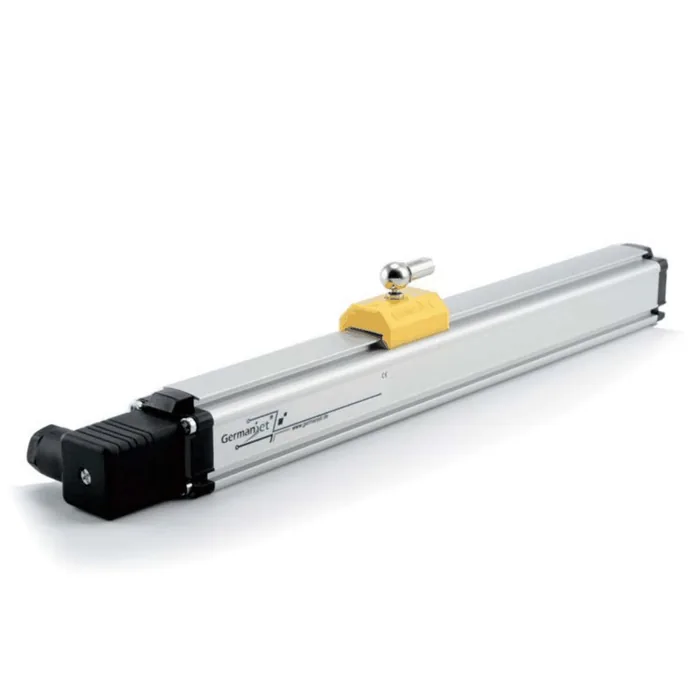
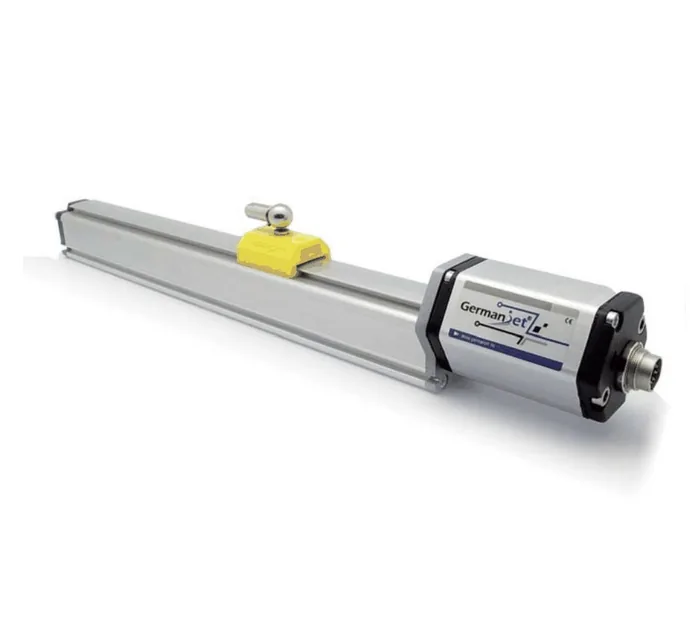
- Series 18 externally mounted: retrofit of older machines that cannot open the cylinder, non-hydraulic linear mechanisms;
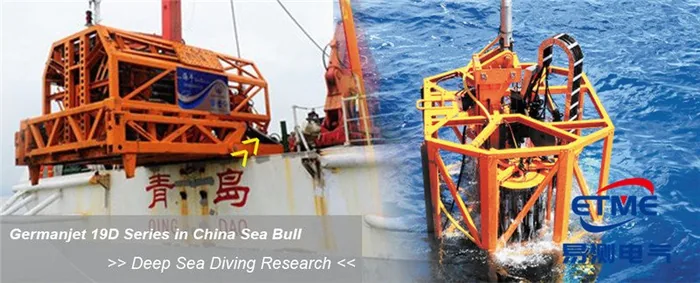
- Series 19 process: wind-turbine pitch, process-equipment stroke, fieldbus integration.
What to compare with contacting solutions
Contacting solutions such as contact-based sensors and differential transformers still have value on short-stroke precision benches, but they have wearing parts, need periodic calibration and lose linearity on long strokes; magnetostrictive sensors are non-contact, absolute-position and free of periodic calibration, and better suit medium-to-long strokes and harsh conditions. Principle details are in the magnetostrictive effect and the Wiedemann effect.
| Criterion | Magnetostrictive | Contact-based sensor | differential transformer |
|---|---|---|---|
| Contact | Non-contact | Contacting (wear) | Contacting / non-contacting |
| Life | Very long | Short (wearing parts) | Long |
| Applicable stroke | 50 mm to several metres | typically <1 m | typically <300 mm |
| Calibration | No periodic calibration; zero not lost on power-down | Periodic | Periodic |
Deployment in explosion-protected atmospheres
In explosive atmospheres such as chemicals and oil and gas, choose an intrinsically safe type (for example the Series 17EX intrinsically safe explosion-protected range) with a safety barrier; the explosion-protection type is set by the hazardous area. Basic concepts are in explosion protection basics, selection for hazardous areas and installation in hazardous areas.
Engineering application notes
- A 6600-tonne two-platen injection molding machine used a Series 19 7600 mm stroke CANbus scheme for full-stroke clamp-position feedback.
- Die-casting clamp speed can reach 10 m/s; choose a digital-interface model with sufficiently fast response.
- Steel rolling-mill roll-gap control uses Series 19 with SSI output; woodworking moulders and packaging machines (IP67 environments) are often fitted with Series 17/18.
Frequently Asked Questions
Q: Which industrial applications can magnetostrictive sensors cover?
Any application that needs linear displacement or stroke feedback: injection molding / die-casting machines, metallurgical presses, mobile construction machinery, wind-turbine pitch, process-equipment stroke and so on, corresponding to the six series 12/13/16/17/18/19.
Q: How to choose versus a potentiometer or LVDT?
Short-stroke precision benches can use an LVDT/potentiometer; for medium-to-long strokes, harsh conditions and maintenance-free duty prefer magnetostrictive — non-contact, absolute position, zero not lost on power-down.
Q: Can they be used in explosion-protected atmospheres?
Yes. Choose an intrinsically safe type (for example 17EX) with a safety barrier, and set Ex ia/ib/d/tD by hazardous area; see the explosion-protection article series.
Related Products
Related Applications
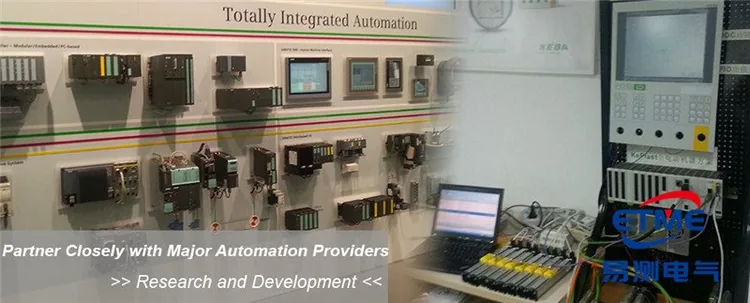
Multi-Industry Application Cases for Magnetostrictive Displacement Sensors
View Details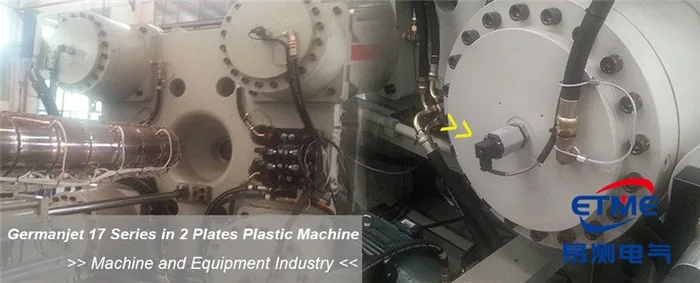
Series 17 Hydraulic Cylinder Integrated Magnetostrictive Displacement Sensor Application Cases
View Details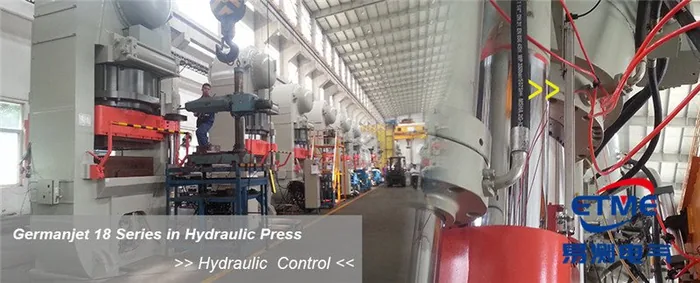
Series 18 Profile Magnetostrictive Displacement Sensor Application Cases
View Details