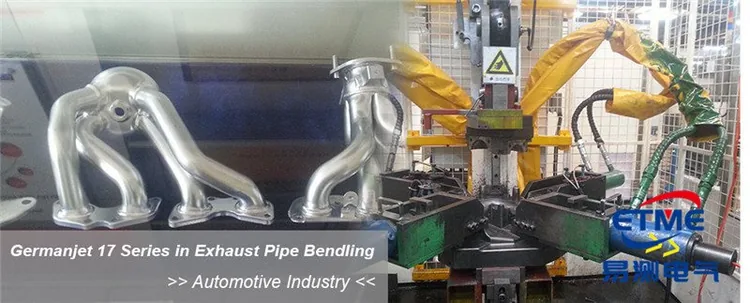
Pick a Hazardous-Area Magnetostrictive Displacement Sensor by Zone 0, 1 or 2
The first step in explosion-protected selection is not picking a product but confirming the site hazardous-area classification. The zone-to-type mapping is: intrinsically safe Ex ia in Zone 0/1/2, Ex ib in Zone 1/2, flameproof Ex d in Zone 1/2, and dust atmospheres use Ex tD. The zone is assigned by the user or the design institute from the frequency and duration of the flammable substance. Equipment group, gas group and temperature class must also be checked; a mismatch on any of the three is non-compliant however high the certificate grade. Explosion-protection basics are in Explosion Protection Basics: Intrinsic Safety, Flameproof and Dust Protection Compared.
Mapping of zone to protection type
| Zone | Presence of the hazardous substance | Permitted protection types | Magnetostrictive selection direction |
|---|---|---|---|
| Zone 0 | Explosive gas atmosphere present continuously or for long periods | Intrinsically safe Ex ia | Intrinsically safe type + safety barrier; loop calculated as a whole |
| Zone 1 | Likely in normal operation | Intrinsically safe Ex ia / Ex ib, flameproof Ex d | Either intrinsically safe or flameproof, chosen on installation conditions |
| Zone 2 | Unlikely in normal operation, and if present then brief | Ex ia / Ex ib / Ex d and others | Wider choice |
| Dust zones (20/21/22) | Combustible dust atmosphere | Ex tD and similar dust-protection types | Must satisfy both enclosure dust tightness and surface-temperature limit |
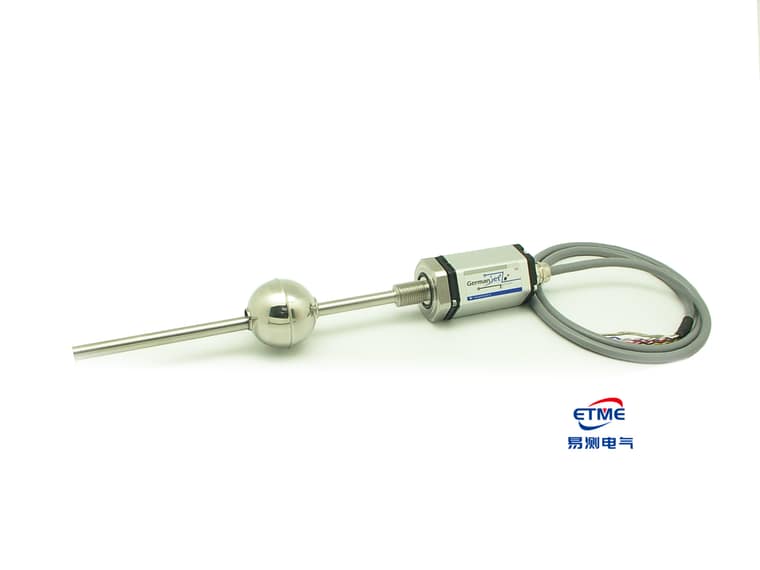
Germanjet Series 17EX is an intrinsically safe (Ex i) explosion-protected product for hydraulic-cylinder position detection in flammable-gas atmospheres; product detail is in 17EX Intrinsic Safety Explained: Deploying Displacement Sensors in Flammable Gas Atmospheres. Certificate grade, gas group and temperature class of the specific model must be confirmed item by item before ordering and must not be assumed from the series name.
Engineering differences between intrinsic safety and flameproof
Intrinsic safety (Ex i) works by “limiting energy”: voltage, current and stored energy in the loop are limited to a level insufficient to ignite the explosive mixture. The advantages are live working and on-line maintenance, and a light overall installation; the cost is that a safety barrier (isolating or Zener) is required and an intrinsic-safety loop parameter-matching calculation must be done — Ci and Li of the field device plus the distributed capacitance and inductance of the cable must be less than Co and Lo allowed by the associated apparatus; at the same time Ui, Ii and Pi must cover the barrier output parameters. This calculation is the core of loop compliance and must not be omitted.
Flameproof (Ex d) works by “containing the explosion”: an internal explosion is allowed, but the flameproof joints prevent flame from leaving the enclosure. The advantages are that loop parameters are not as strictly limited as for intrinsic safety and higher power can be handled; the cost is a heavy enclosure, flameproof faces that must not be damaged or casually dressed, opening that requires isolation and a work permit, and cable entry that must use matching flameproof glands or compound filling.
Dust protection (Ex tD) turns on two points: enclosure dust tightness (directly related to IP class) and a maximum surface temperature below the ignition temperature of the dust layer and dust cloud. Dust layers impede heat dissipation and raise surface temperature, so a cleaning regime is itself part of the explosion-protection measure.
Three parameters that must be checked together
- Equipment protection level (EPL) matched to the zone: Ga/Gb/Gc correspond to Zone 0/1/2; Da/Db/Dc correspond to dust 20/21/22.
- Gas group: IIA / IIB / IIC. Hydrogen, acetylene and similar belong to the most severe IIC; purchasing to IIB for an IIC duty is a serious non-compliance.
- Temperature class: T1–T6, corresponding to the maximum equipment surface temperature. Compare with the ignition temperature of the site flammable substance and with the upper ambient-temperature limit; high-temperature duty squeezes the temperature-class margin — see High-Temperature Selection.
Installation requirements of an intrinsic-safety loop
Selecting the right model is only half; compliance of an intrinsically safe system depends on the whole loop:
- Barrier earthing: a Zener safety barrier must be connected to the IS earthing system with earth resistance within the code; an isolating barrier does not need IS earth but must be supplied correctly;
- Separation of IS and non-IS cables: they must not share a tray; terminal strips must be physically segregated and blue-identified;
- Cable parameters included: distributed capacitance and inductance of the cable increase with length; long runs must recheck the IS parameters;
- No unauthorised substitution of devices: replacing a barrier or sensor requires a fresh loop-parameter calculation;
- Document retention: the IS loop calculation, certificate copies and wiring diagram should be kept with the equipment file for inspection.
Installation detail is in Installing in Hazardous Areas: The Three Elements of an Intrinsic-Safety Loop, Barrier Selection and Wiring Requirements. Explosion-protected duty must also meet the protection class; IP and Ex are two independent ratings and must be confirmed separately — see IP65/67/68/69K Is Not a Numbers Game. Typical industry applications include Oil Drilling: Tool Position and Explosion-Protected Deployment and Intrinsically Safe Position Monitoring for Chemical Reactor Agitator Travel. Export equipment must also match the destination-market certification system — see Equipment for Export: How to Read CE / ATEX / UL Certification.
Practical tips for engineers
- IP65 means a 6.3 mm nozzle spraying water from any direction has no harmful effect; IP67 means no harmful ingress under 1 m immersion.
- Contact-based sensor-type sensors are typically only IP40/50, whereas non-contact magnetostrictive types can reach IP65 or even IP67 — choose non-contact for high-dust, high-humidity environments.
Frequently Asked Questions
Q: Which protection types may be used in Zone 0/1/2?
Zone 0, with explosive gas present continuously or for long periods, requires intrinsically safe Ex ia; Zone 1, likely in normal operation, may use Ex ia, Ex ib or flameproof Ex d; Zone 2, low probability and brief if present, has a wider choice. Dust zones use Ex tD and similar dust-protection types.
Q: How should intrinsic safety and flameproof be chosen?
Intrinsic safety works by limiting loop energy, allows live working and on-line maintenance, and is light to install, but requires a safety barrier and an IS loop parameter-matching calculation. Flameproof works by containing an explosion in the enclosure, is less restrictive on loop parameters and can handle higher power, but the enclosure is heavy, flameproof faces must not be damaged, and opening requires isolation and a work permit.
Q: Besides the zone, what else must be checked at selection?
Three items: equipment protection level EPL matched to the zone (Ga/Gb/Gc correspond to Zone 0/1/2); gas group IIA/IIB/IIC, with hydrogen and acetylene in the most severe IIC; temperature class T1 to T6, compared with the ignition temperature of the site flammable substance and the upper ambient-temperature limit.
Q: Does IS-loop compliance depend only on the sensor certificate?
No. The whole loop must be compliant: barrier earthing, physical segregation of IS and non-IS cables and terminals, distributed capacitance and inductance of the cable included in the parameter check, a fresh calculation when devices are replaced, and the IS loop calculation and certificates retained with the equipment file.
Related Products
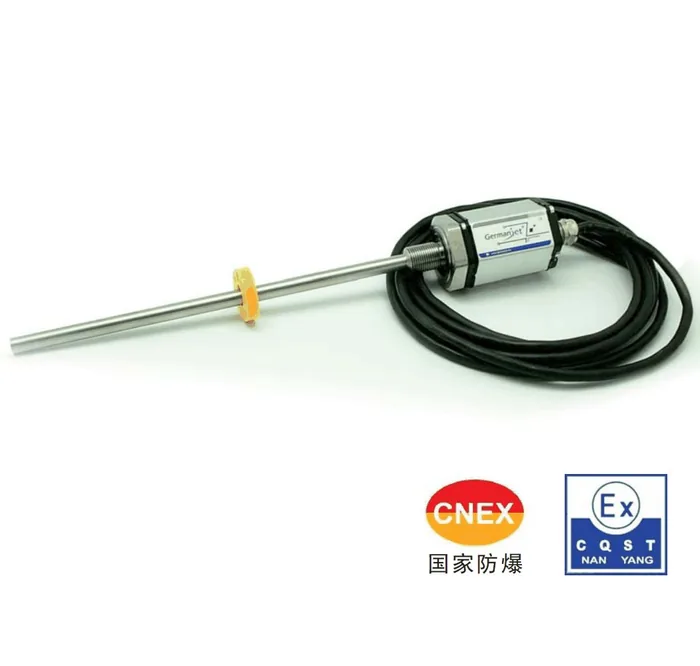
Series 17EX Intrinsically Safe Explosion-proof
View Product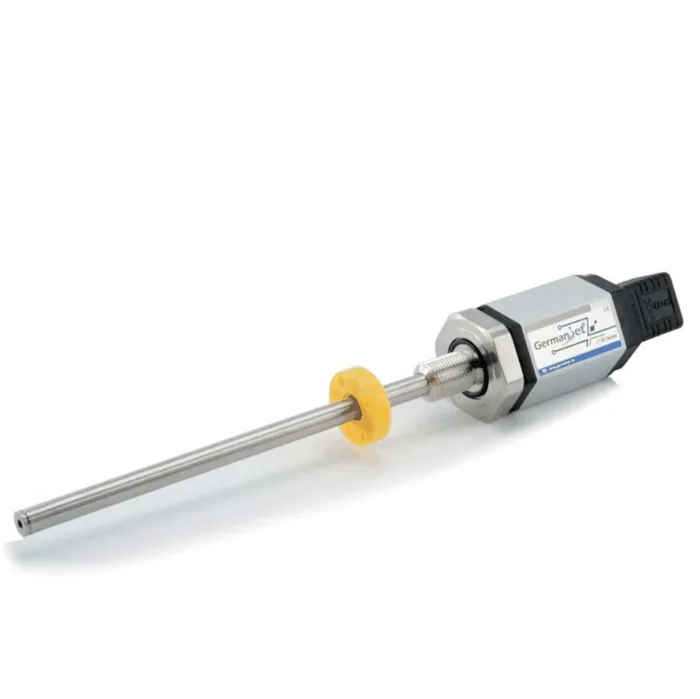
Series 17 Hydraulic Cylinder Integrated
View Product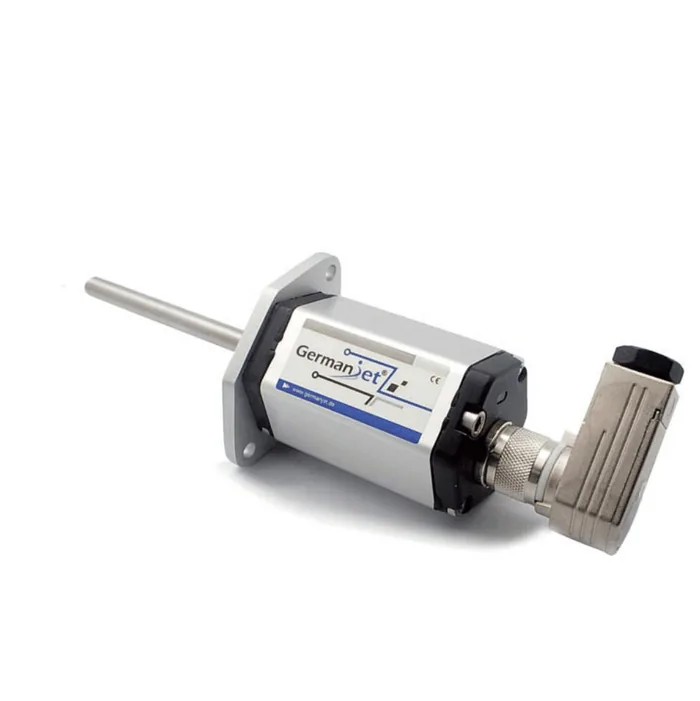
Series 12 General-Purpose
View Product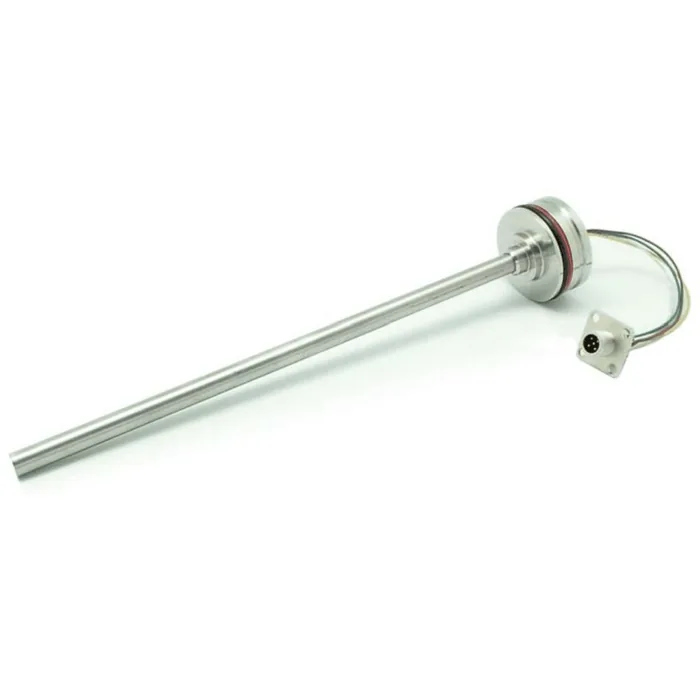
Series 13 Mobile Hydraulic
View ProductRelated Applications
Multi-Industry Application Cases for Magnetostrictive Displacement Sensors
View Details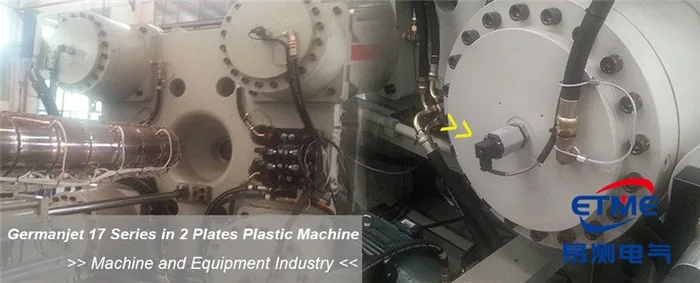
Series 17 Hydraulic Cylinder Integrated Magnetostrictive Displacement Sensor Application Cases
View Details
Series 12 General-Purpose Magnetostrictive Displacement Sensor Application Cases
View Details