IP65, IP67, IP69K for a Magnetostrictive Displacement Sensor: What the Ratings Really Mean
The IP rating (Ingress Protection) states a device's protection against solid foreign objects and water, and is a hard figure for whether a displacement sensor can run reliably for long in oily, wash-down or outdoor environments. IP65 / IP67 / IP68 / IP69K are not simply "the bigger the number, the higher the grade" — each digit corresponds to defined test conditions, and choosing wrongly costs you on site.
First digit: protection against solid foreign objects
Digits 0–6; 6 means completely dust-tight (dust cannot enter). The rod and electronics head of a magnetostrictive displacement sensor are usually dust-protected to IP6X, keeping metal swarf and oil sludge away from the waveguide.
Second digit: water protection
- IPX4: protected against splashing water;
- IPX5: protected against low-pressure water jets;
- IPX6: protected against powerful water jets;
- IPX7: protected against immersion (typically 1 m / 30 min);
- IPX8: protected against continuous immersion (depth and time specified by the manufacturer);
- IPX9K: protected against high-temperature, high-pressure jet wash-down, aimed at food and mobile hydraulic duty that needs frequent high-pressure washing.
Not a numbers game: test conditions at each level
| Rating | Water-protection test conditions | Typical duty |
|---|---|---|
| IP65 | Low-pressure water jets | General shop-floor splash protection |
| IP67 | 1 m immersion for 30 min | Short-term wading |
| IP68 | Continuous immersion (manufacturer-defined) | Long-term shallow immersion |
| IP69K | High-temperature, high-pressure jet wash-down | Food / mobile-hydraulic wash-down |
Engineering notes
- IP69K ≠ an upgrade of IP67: the tests are entirely different; 69K is aimed at high-pressure, high-temperature wash-down, while immersion duty looks to 67/68;
- The connector is the weak link: the sensor body may be IP69K, but water still enters if an aged or loose plug admits it; fit a reliable M12 connector tightened to torque (see M12 connector maintenance);
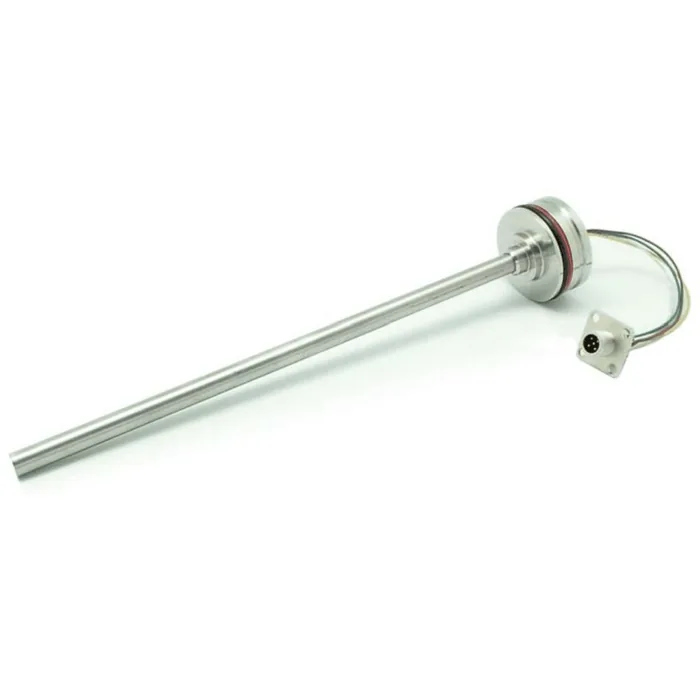
- Choose 69K for mobile hydraulic: for example the Series 13 mobile hydraulic type offers IP69K with vibration and shock resistance.
For wet marine and outdoor duty see marine displacement; hydraulic-cylinder application background is in hydraulic cylinder position control; protection in explosion-protected atmospheres is separately covered in explosion protection basics.
Practical tips for engineers
- IP65 means a 6.3 mm nozzle jetting water from any direction has no harmful effect; IP67 means no harmful ingress under 1 m immersion.
- Potentiometric sensors are typically only IP40/50, whereas non-contact magnetostrictive types can reach IP65 or even IP67 — in high-dust, high-humidity environments choose non-contact.
Frequently Asked Questions
Q: Is IP69K a higher grade than IP67?
It is not a simple upgrade; the tests differ. 69K is aimed at high-temperature, high-pressure wash-down.
Q: Body is IP69K but water still enters the connector?
Connector protection is often the weak link; fit a reliable M12 connector and O-ring.
Q: What protection rating for outdoor use?
It depends on immersion versus wash-down: look to 67/68 for immersion, 69K for high-pressure wash-down.
Related Products
Series 13 Mobile Hydraulic
View Product
Series 16 Hydraulic Cylinder Built-in
View Product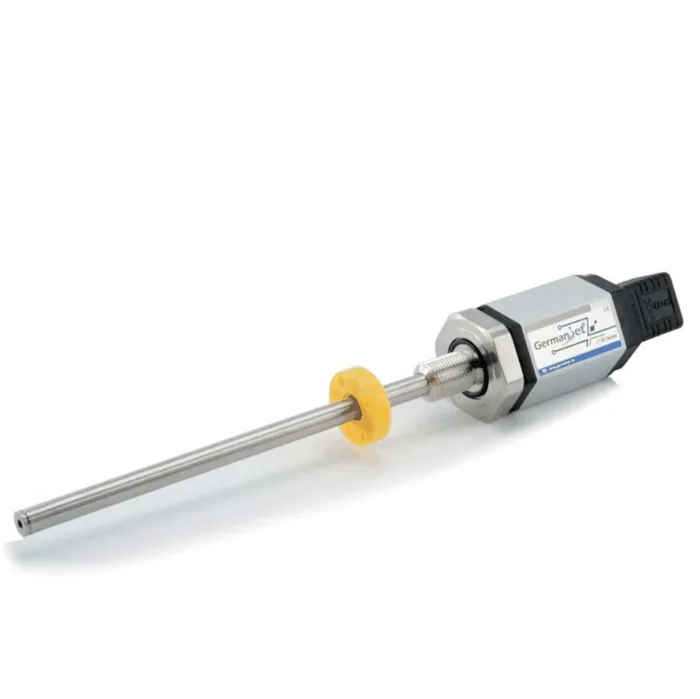
Series 17 Hydraulic Cylinder Integrated
View Product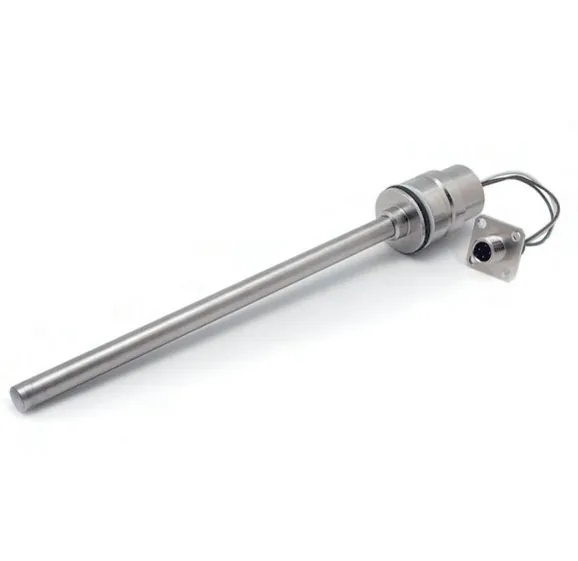
Series 13C Compact Voltage Output
View ProductRelated Applications

Multi-Industry Application Cases for Magnetostrictive Displacement Sensors
View Details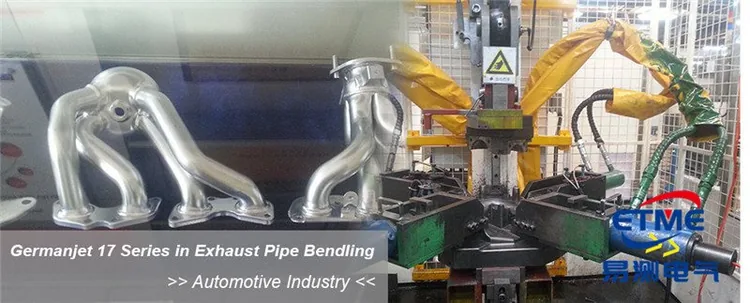
Series 16 Hydraulic Rod Magnetostrictive Displacement Sensor Application Cases
View Details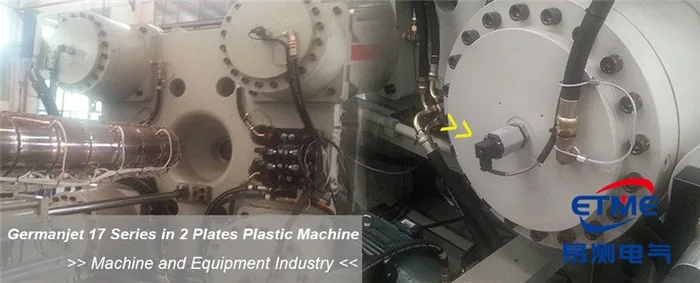
Series 17 Hydraulic Cylinder Integrated Magnetostrictive Displacement Sensor Application Cases
View Details