Explosion Protection for a Magnetostrictive Displacement Sensor: Intrinsic Safety, Flameproof, Dust
Deploying a displacement sensor in a flammable or explosive atmosphere (oil and gas, chemicals, dust) requires the matching explosion-protection type. Intrinsic safety, flameproof and dust protection are the three mainstream routes; their protection philosophy, applicable hazardous areas and installation constraints differ. Choosing the wrong type leaves a safety hazard in a hazardous location, and is a focus of export equipment certification (ATEX / IECEx) reviews.
Intrinsic safety (Ex ia / ib)
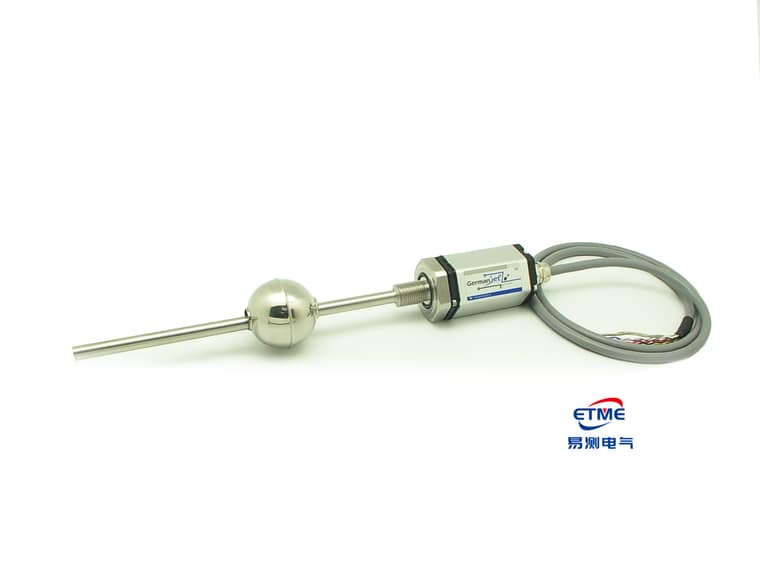
The intrinsically safe approach is to limit circuit energy so that even in a fault the spark or temperature rise produced is insufficient to ignite the surrounding explosive gas. An intrinsically safe system must be used with a safety barrier / isolator; voltage and current on the sensor side are strictly limited. It applies to high-risk areas such as Zone 0 / Zone 1.
Flameproof (Ex d)
The flameproof approach encloses circuits that may spark in a heavy enclosure that can withstand an internal explosion and not transmit it outwards. The enclosure is strong and massive; installation and maintenance require power to be isolated before opening the cover. It applies to Zone 1 / Zone 2.
Dust protection (Ex tD)
Aimed at combustible-dust atmospheres, requiring the enclosure to keep dust out or not transmit an explosion after ignition inside the shell. Common in grain, coal-dust and chemical-powder locations. Do not confuse Ex tD dust protection with Ex ia gas protection — the zones and test methods differ.
Comparison of the three explosion-protection types
| Type | Protection philosophy | Applicable areas | Installation constraints |
|---|---|---|---|
| Intrinsic safety Ex ia/ib | Limit energy | Zone 0/1 | Safety barrier required; energy-limited wiring |
| Flameproof Ex d | Enclosure withstands pressure and does not transmit explosion | Zone 1/2 | Heavy; isolate power before opening the cover |
| Dust Ex tD | Prevent dust ignition | Zone 21/22 | Sealing and surface-temperature limits |
How to choose magnetostrictive sensors
Selection starts from area classification and the gas/temperature class before picking a protection type. Germanjet offers intrinsically safe explosion-protected models, such as the Series 17EX intrinsically safe explosion-protected range, for combustible-gas atmospheres. Any 17EX deployment needs a certified safety barrier and an energy-limited loop on the sensor side. For intrinsically safe wiring and isolator configuration on a real deployment see installation in hazardous areas; selection by hazardous area is in selection for hazardous areas. Oil-drilling and chemical-reactor applications are covered in oil drilling and explosion-protected monitoring in chemicals.
Frequently Asked Questions
Q: What is the difference between intrinsic safety and flameproof?
Intrinsic safety limits circuit energy; flameproof relies on an enclosure that withstands pressure and does not transmit an explosion — different philosophies.
Q: How do Zone 0/1/2 map to types?
Intrinsic safety is used in Zone 0/1, flameproof in Zone 1/2; choose by hazard level.
Q: Are there explosion-protected magnetostrictive models?
Yes. For example the Series 17EX intrinsically safe explosion-protected range can be used in combustible-gas atmospheres.
Related Products
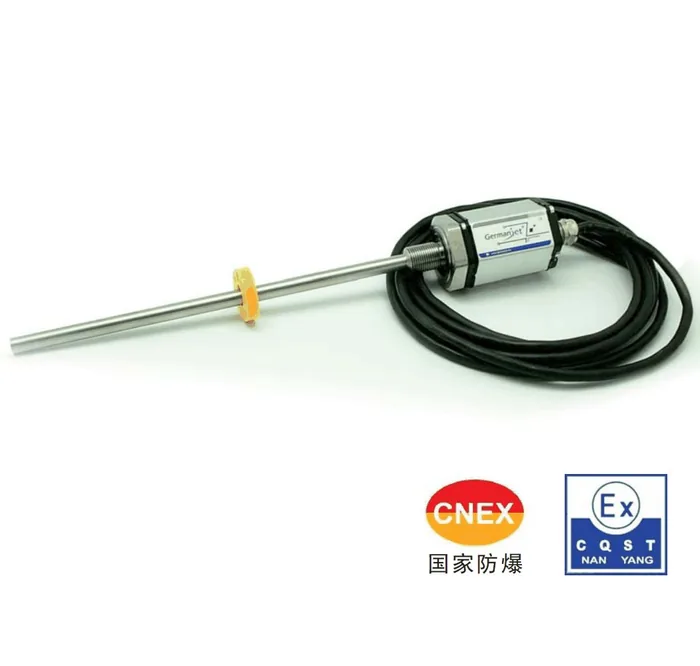
Series 17EX Intrinsically Safe Explosion-proof
View Product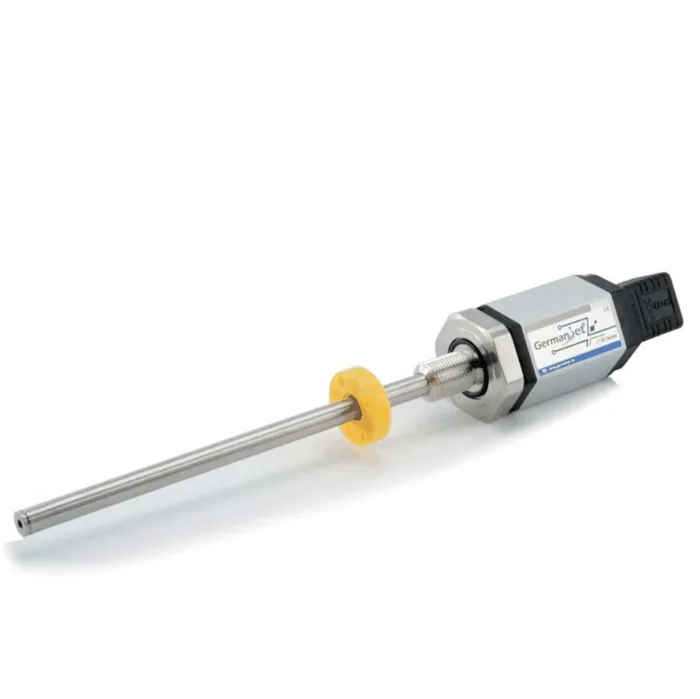
Series 17 Hydraulic Cylinder Integrated
View Product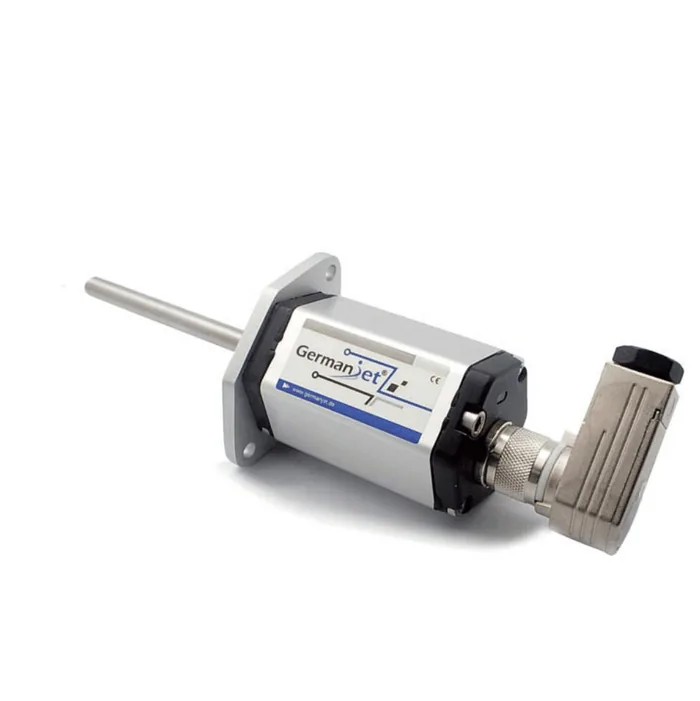
Series 12 General-Purpose
View Product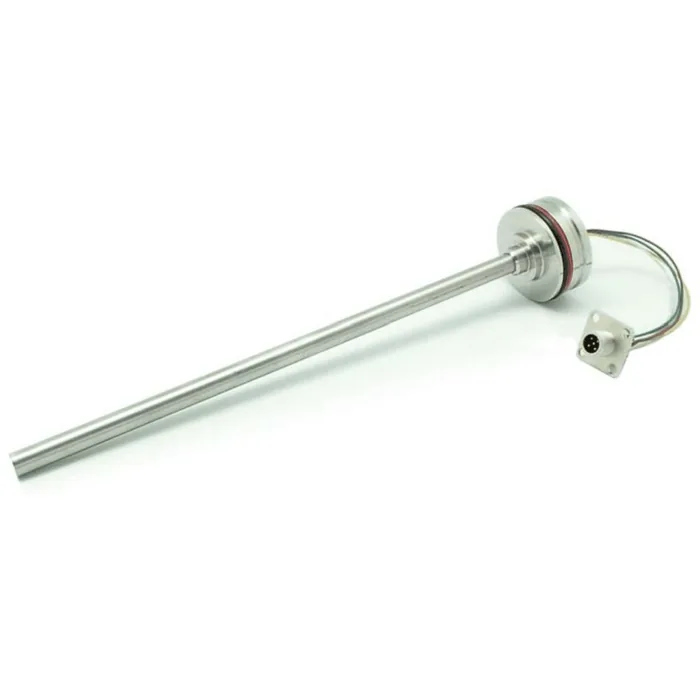
Series 13 Mobile Hydraulic
View ProductRelated Applications
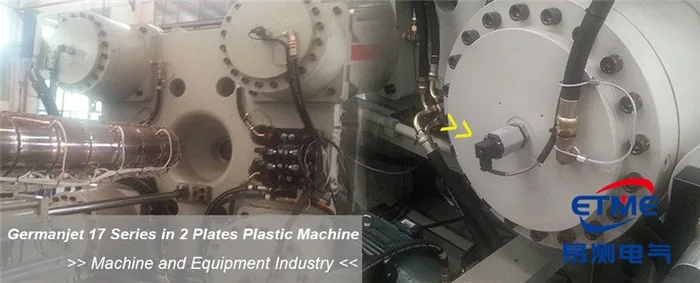
Series 17 Hydraulic Cylinder Integrated Magnetostrictive Displacement Sensor Application Cases
View Details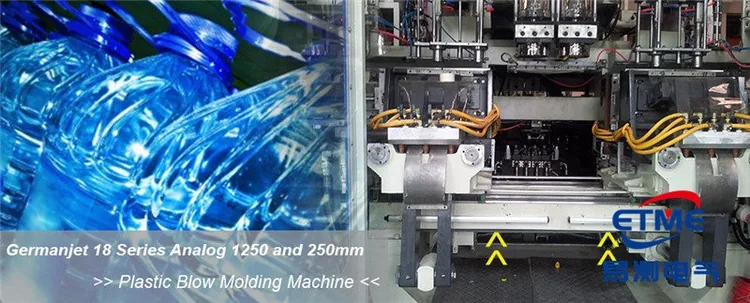
Series 12 General-Purpose Magnetostrictive Displacement Sensor Application Cases
View Details
Multi-Industry Application Cases for Magnetostrictive Displacement Sensors
View Details