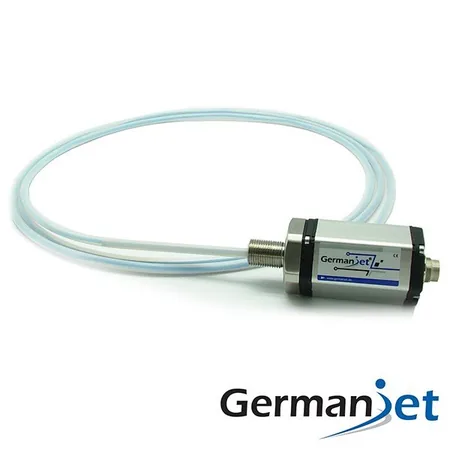
19H Cylinder-Integrated Magnetostrictive Displacement Sensor: Trade-Off with Series 17
19H is the cylinder-integrated magnetostrictive displacement sensor in Germanjet Series 19. It overlaps highly with Series 17 in application: both are fitted inside a hydraulic cylinder, the sensing rod takes cylinder oil pressure, the piston rod needs a deep bore (piston-rod bore ≥12.7 mm (Ø10 rod)), and the pressure rating is 300 bar working / 600 bar peak (19H). Measurement is non-contact absolute position on all of them, but do not write one accuracy row: Series 16 analogue is 16-bit D/A, non-linearity < ±0.01% FS (min. ±40 μm); Series 17 analogue resolution is infinite, non-linearity < ±0.02% FS (min. ±90 μm); Series 19 analogue is 16-bit D/A. The selection difference is not performance but how well the product platform and mounting interface match: 19H belongs to the Series 19 platform and shares a design language with the same-platform 19D split type, 19P external type and 19F flexible type; Series 17 is an independent platform designed specifically for hydraulic-cylinder integration.
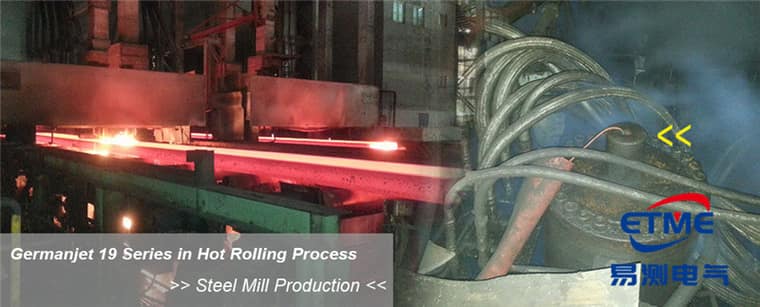
Positioning differences between 19H and Series 17
| Comparison | 19H (Series 19 platform) | Series 17 (hydraulic-cylinder integrated platform) |
|---|---|---|
| Product platform | Series 19, including D/H/P/F forms | Dedicated to hydraulic-cylinder integration |
| Mounting form | Cylinder-integrated | Cylinder-integrated + deep integration |
| Cylinder design requirement | Adapt to the chosen interface | Integrated interface must be reserved at the cylinder-design stage |
| Switching within the platform | Can change to 19D / 19P / 19F form on the same platform | Cross-platform switching requires a new selection |
| Pressure rating | 300 bar working / 600 bar peak | 350 bar working / 600 bar peak |
| Piston-rod bore | ≥12.7 mm | ≥12.7 mm (cap M18×1.5) |
| Measuring performance | Resolution 1–100 μm, repeatability of the order of ±0.002 mm | As left |
| Typical application | Several mounting forms mixed on the same machine | Volume supply, customisable cylinder |
The practical decision logic is this: if one machine has both in-cylinder measurement, external measurement and a high-temperature split need, using 19H / 19P / 19D on the same platform unifies spares, cables, configuration and maintenance procedures; if the only need is cylinder-integrated and the cylinder can be customised to the interface, Series 17 is more highly integrated. Integration characteristics and application limits of Series 17 are in Series 17 hydraulic cylinder integrated explained.
Hidden gains of unifying on one platform
On a machine that mixes several forms, the value of platform unification is easily underestimated. Three concrete gains:
- Fewer spare-part types. Same-platform products usually share electrical interfaces and cable specifications, so the spares store can be merged and slow-moving stock reduced;
- Unified configuration and commissioning procedures. One parameter system and one commissioning flow reduce learning and error cost for field engineers;
- Standardised maintenance. Calibration methods and fault-judgement paths are consistent; one work instruction covers the whole machine.
These gains are not obvious on a single machine; they show clearly on volume machines or multi-machine plants. Notes on spare interchange over the equipment life cycle should be checked against the specific model specifications of each series.
19H mounting limits match Series 16/17
The three hard constraints of cylinder-integrated types apply equally to 19H and are not relaxed because the platform is different:
Piston-rod bore. piston-rod bore ≥12.7 mm (Ø10 rod), bore depth covering the full stroke plus non-measuring-section allowance; deep-hole straightness is the key figure (wall finish is not important, because the sensing rod does not contact the wall). Machining requirements are in Bore machining requirements for cylinder-integrated sensors.
Pressure-rating calculation. Choose the 300 bar or 600 bar type on system peak pressure, not on the relief-valve set point. Instantaneous peaks from hydraulic shock are often ignored; calculation methods for high-pressure duty are in Selecting for high-pressure cylinders.
Replacement cost. A cylinder-integrated fault means depressurising, draining and stripping the cylinder, with long downtime. This must be assessed in advance on lines with a high availability requirement — if necessary consider an external option; see Comparing the whole external range.
The same limits and a detailed explanation for Series 16 are in Series 16 cylinder-integrated explained.
Oil temperature: a hidden variable common to cylinder-integrated types
All cylinder-integrated products are immersed in hydraulic oil for long periods, so oil temperature is the working temperature. When system oil temperature is high, check the temperature specification and allow for the effect of speed-of-sound temperature drift on the reading; the mechanism is in Speed-of-sound temperature drift and compensation; how to read the temperature specification is in Operating temperature vs. storage temperature.
If oil temperature exceeds the cylinder-integrated specification, the same-platform 19D split type offers another path — move the electronics head out of the high-temperature zone; see 19D split type explained. That is the practical value of platformisation: there is no need to re-select across platforms.
Selection decision order
Faced with “which cylinder-integrated type to choose”, judge in the following order:
- Explosion-protection requirement? → the intrinsically safe 17EX must be chosen; see 17EX explained; all other conditions give way to explosion-protection compliance;
- Dual-channel redundancy required? → choose 16R; see 16R explained;
- Cylinder customisable to the interface and volume supply? → Series 17 is more highly integrated;
- Several mounting forms mixed on the machine, and platform unification wanted? → choose 19H;
- Other ordinary cylinder-integrated duty → Series 16 has the widest adaptation surface.
The full horizontal comparison of the five cylinder-integrated products is in Comparing the whole cylinder-integrated range: how to choose among 16/16R/17/17EX/19H. Background on why hydraulic equipment commonly uses magnetostrictive sensing is in Why choose magnetostrictive sensing for hydraulic cylinder position control.
Practical tips for engineers
- For in-cylinder mounting, piston-rod bore lower limit is ≥12.7 mm (Ø10 rod). Series 17 also has a Ø13 mm through-hole + M18×1.5 on the cylinder cap; Series 16 uses Ø18G7. Do not mix pressure ratings: Series 16/16R is 350 bar working / 530 bar peak, Series 17/17EX is 350/600 bar, Series 19 in-cylinder is 300/600 bar.
- The sensing rod inside the cylinder should be protected against wear.
- Series 19 cylinder-integrated types are rated 300 bar, 600 bar peak; use these figures for selection and pressure testing.
Frequently Asked Questions
Q: How should 19H and Series 17 be chosen?
Measuring performance and mounting limits are essentially the same; selection looks at mechanical integration and machine planning. When the cylinder can be customised to the interface and is volume supply, Series 17 is more highly integrated. When the machine has several classes of measuring point — in-cylinder, external, high-temperature split — and unified spares and maintenance procedures are wanted, choose 19H, which can share a platform with 19D split, 19P external and 19F flexible.
Q: What practical benefits does same-platform selection bring?
Three: fewer spare-part types — same-platform products usually share electrical interfaces and cable specifications, so stock can be merged; unified configuration and commissioning procedures, reducing field learning and error cost; standardised maintenance — calibration methods and fault-judgement paths are consistent, and one work instruction can cover the whole machine. Gains are clear on volume machines or multi-machine plants.
Q: Are the installation requirements of 19H the same as Series 16 and 17?
Yes. The three hard constraints of cylinder-integrated types apply equally to 19H: piston-rod bore ≥12.7 mm and bore depth covering the full stroke plus allowance, with straightness rather than finish the key; 19H in-cylinder is 300 bar working / 600 bar peak; replacement means depressurising, draining and stripping the cylinder, with long downtime.
Q: What is the decision order for selecting a cylinder-integrated type?
First look for an explosion-protection requirement; if present, the intrinsically safe 17EX must be chosen. Then look for dual-channel redundancy; if needed, choose 16R. Then look at whether the cylinder can be customised to the interface and is volume supply; if so, Series 17 is more highly integrated. If several forms are mixed on the machine, choose 19H. For other ordinary duty, Series 16 has the widest adaptation surface.
Related Products
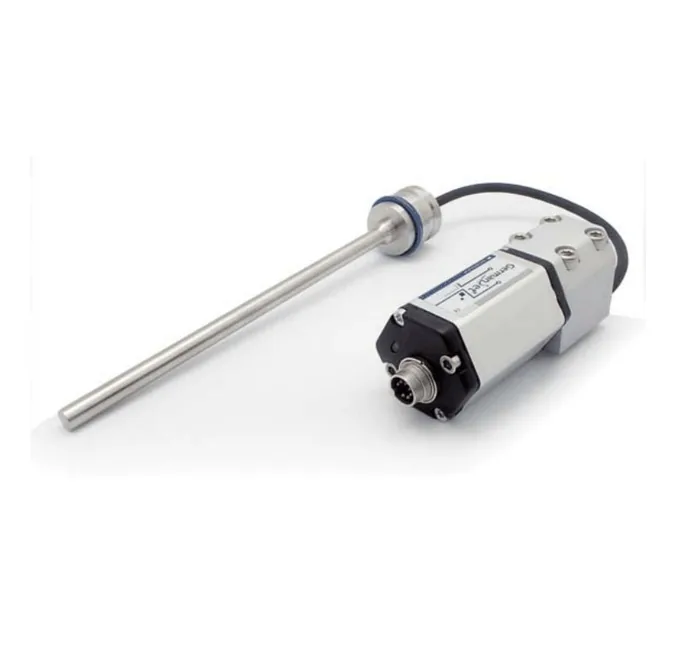
Series 19 D-Type Split
View Product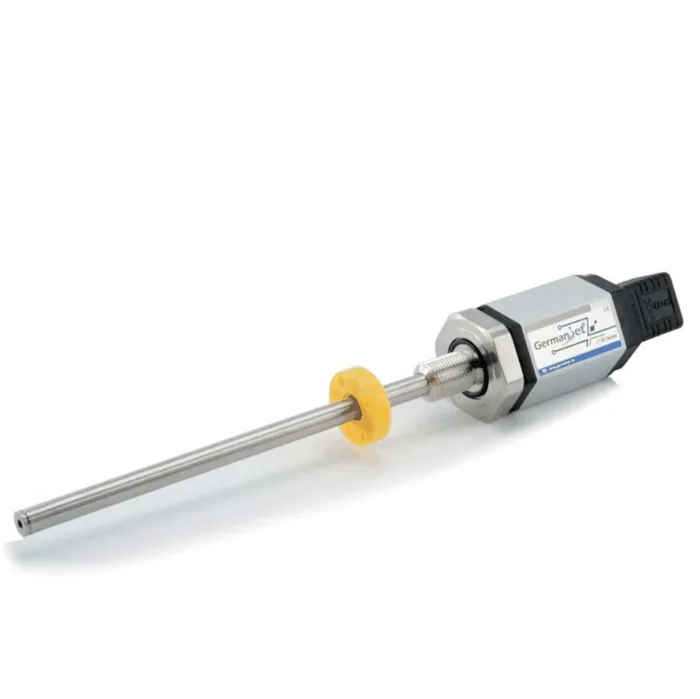
Series 17 Hydraulic Cylinder Integrated
View Product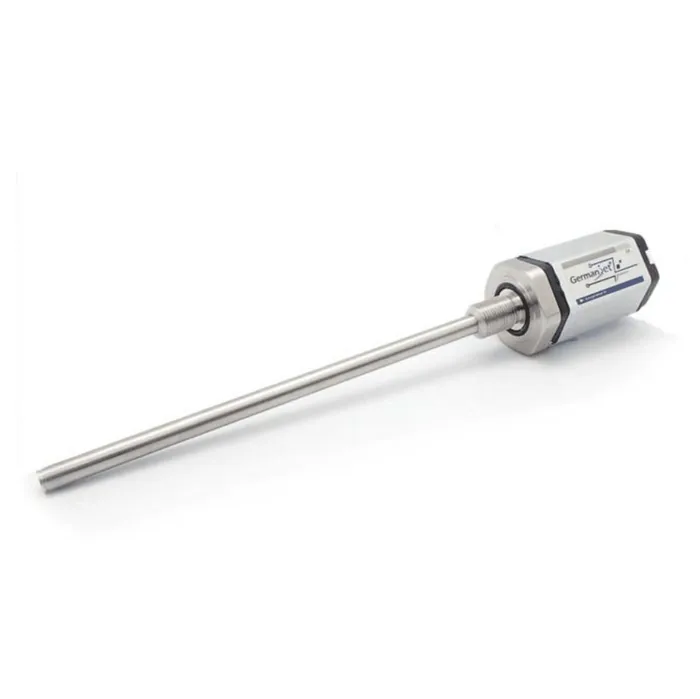
Series 19 H-Type Built-in Cylinder
View Product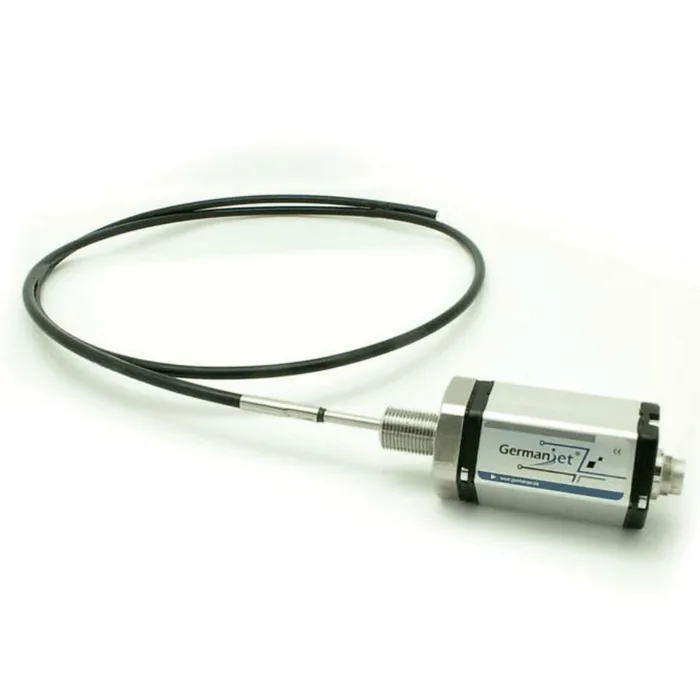
Series 19F Flexible Long-stroke
View ProductRelated Applications
Multi-Industry Application Cases for Magnetostrictive Displacement Sensors
View Details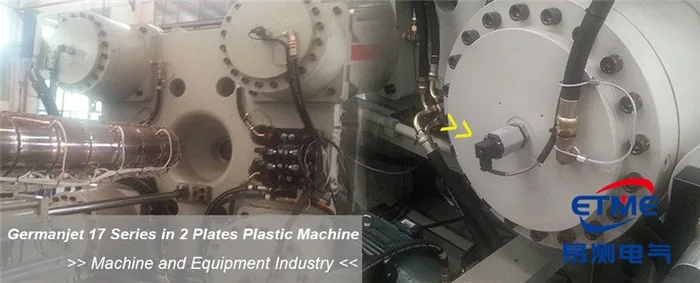
Series 17 Hydraulic Cylinder Integrated Magnetostrictive Displacement Sensor Application Cases
View Details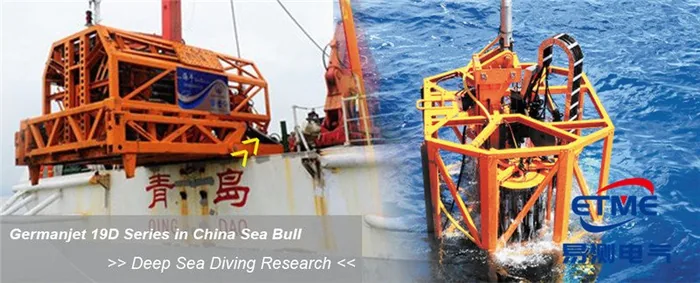
Series 19D Split-Type Process Displacement Sensor Application Cases
View Details