Product Knowledge

Magnetostrictive displacement sensor knowledge base: principles, selection, installation, accuracy and materials

All Categories

Articles in "Product Knowledge"

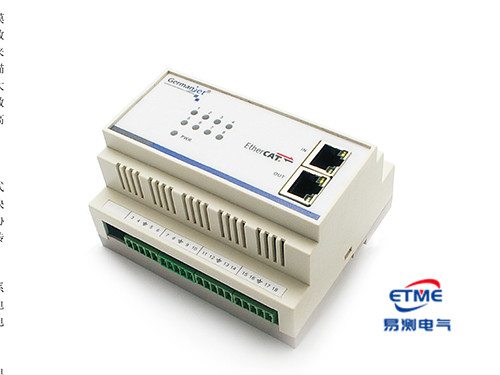
Industrial Ethernet for Position Feedback: PROFINET vs EtherCAT

Industrial Ethernet for Position Feedback: PROFINET vs EtherCAT

Industrial Ethernet includes PROFINET (199) and EtherCAT (197/198). Choose by the PLC master, not by which name sounds newer.

Serial Fieldbuses for Position Feedback: CANopen vs Profibus

Serial Fieldbuses for Position Feedback: CANopen vs Profibus

Serial fieldbuses include 194 CANopen and 195 Profibus DP. CAN’s physical layer is not RS-485. Compare the trade-offs, then follow the master.

162 SSI vs 192 SSI: Series 16 in-cylinder is not Series 19

162 SSI vs 192 SSI: Series 16 in-cylinder is not Series 19

Series 16 SSI is 162; Series 19 SSI is 192. Bit length, D70, baud vs cable and 48 μs clock spacing are the same; mounting and pressure are not.

Series 16T triple redundancy: three independent measurements in one tube

Series 16T triple redundancy: three independent measurements in one tube

16T is one magnet acting on three independent waveguides and electronics — not three sensors. Do not mix it with 16R dual-channel. Pressure stays 350 / 530 bar.

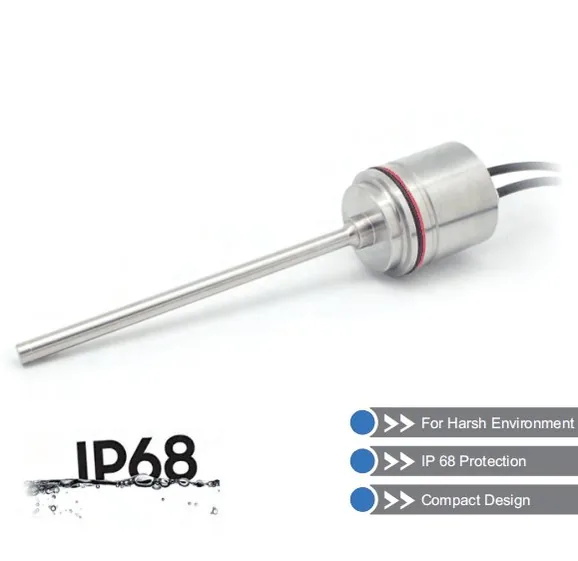
Series 16E harsh duty: IP68 versus standard Series 16

Series 16E harsh duty: IP68 versus standard Series 16

16E keeps the Series 16 cap Ø18G7 and 350/530 bar. What is upgraded is the IP68 fully enclosed housing — not a different pressure rating.

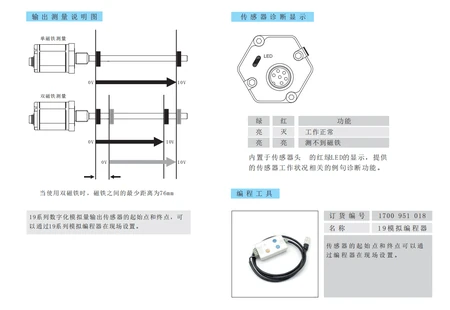
Analogue field programmer 1700 951 018: setting start and end

Analogue field programmer 1700 951 018: setting start and end

The Series 19 analogue programmer 1700 951 018 changes zero and end on the sensor. PLC two-point (Slope / Datum) is a different layer. Do not turn both at once.
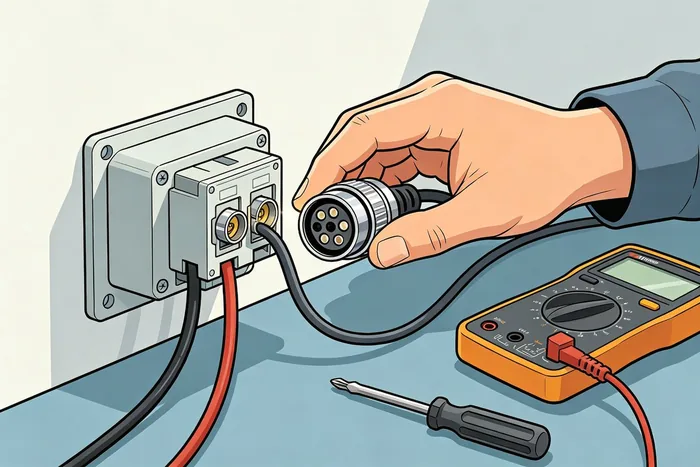
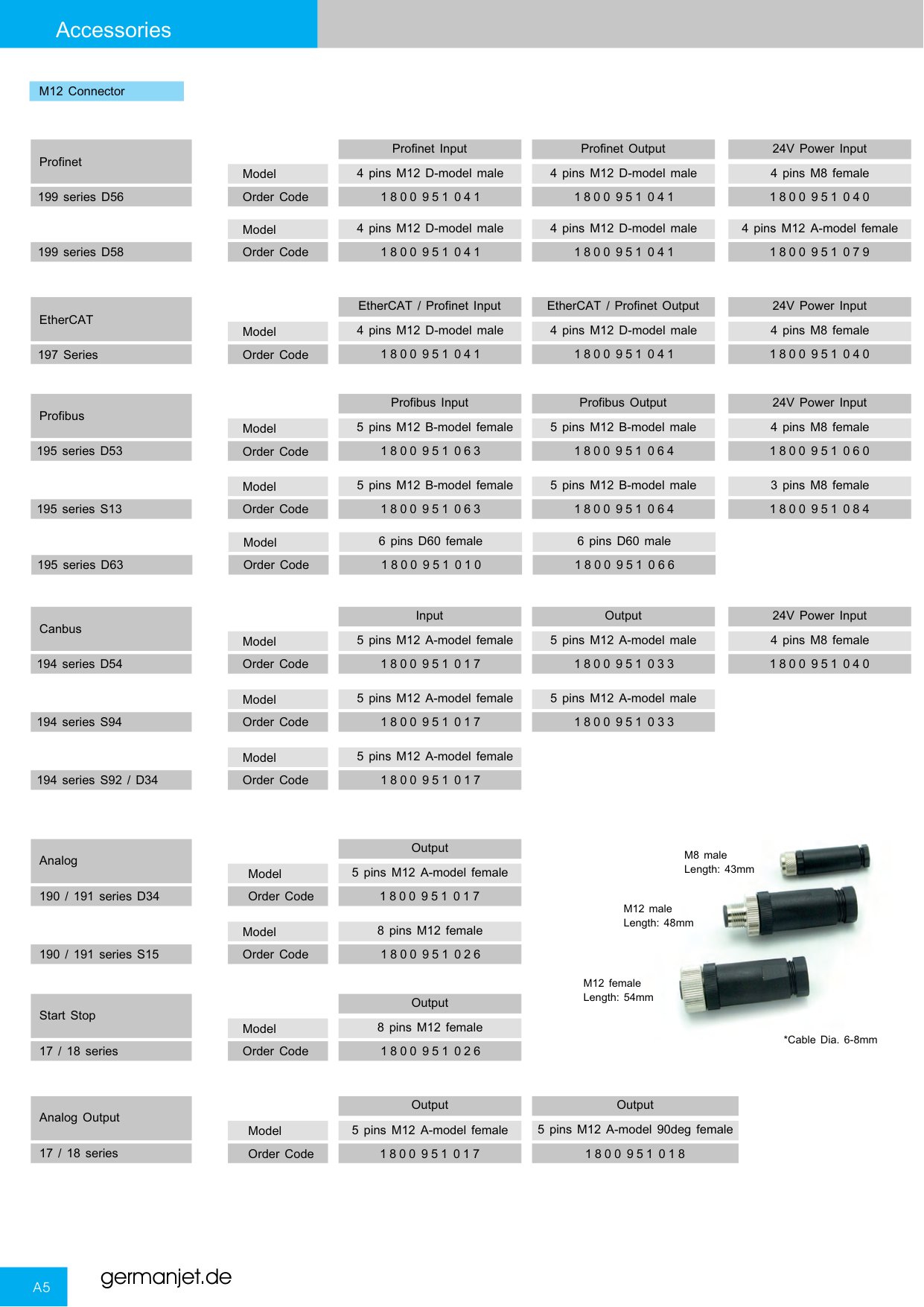
DIN 43650 / D60 / D70 / M12: match pin count to the output

DIN 43650 / D60 / D70 / M12: match pin count to the output

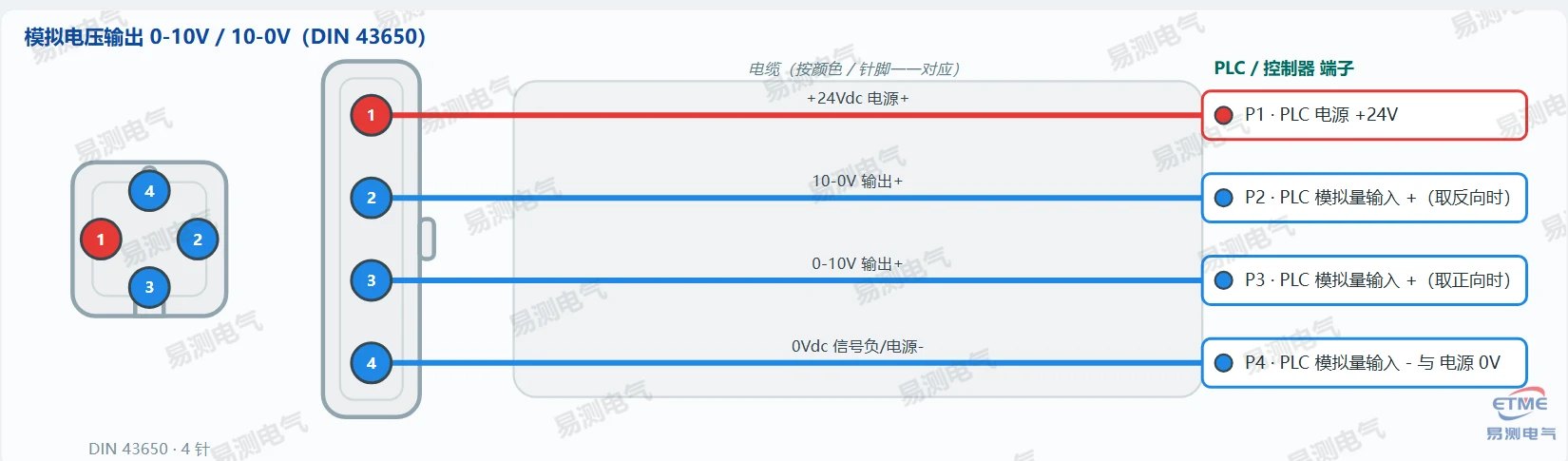
Pick the connector family by output: Series 12 DIN 43650, 162/192 SSI D70 seven-pin, 191/194 often D60 six-pin, EtherCAT and mobile hydraulic often M12. Wrong pin count means no comms or a burned analogue head.

Magnetostrictive sensor outputs: 160 / 161 / 162, 180–185, 190–199

Magnetostrictive sensor outputs: 160 / 161 / 162, 180–185, 190–199

Electrical outputs by series: Series 16 is 160 voltage / 161 current / 162 SSI; Series 18 is 180–185; Series 19 is 190–199. 162 is Series 16 SSI; 192 is Series 19 SSI — do not mix them.

How Many Displacement Sensors Does One Injection Molding Machine Need? A Complete Plan for Injection, Clamping and Ejection

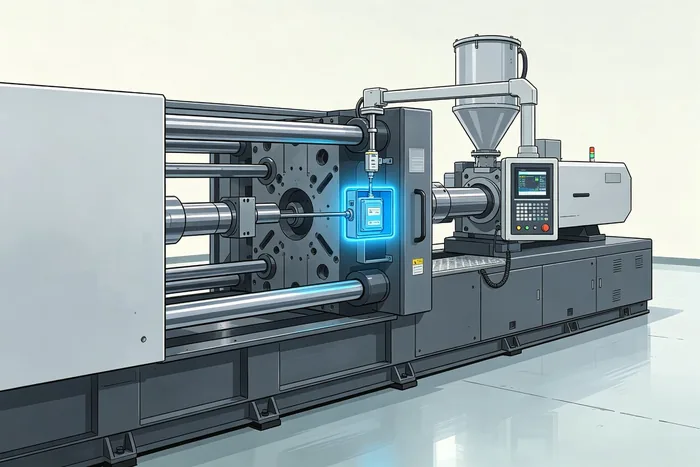
How Many Displacement Sensors Does One Injection Molding Machine Need? A Complete Plan for Injection, Clamping and Ejection

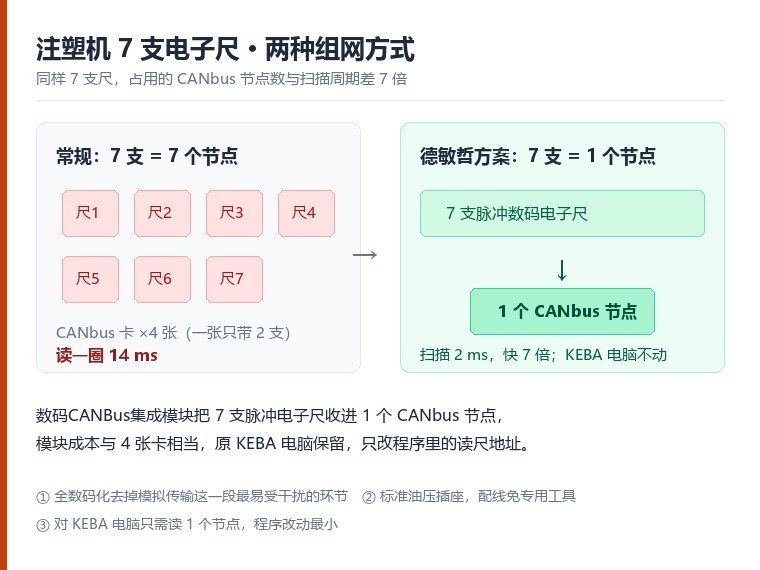
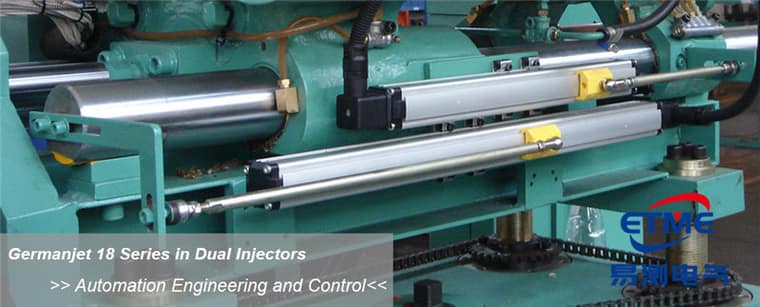
An injection molding machine normally needs position measurement at three points — injection, clamping and ejection — and more on high-end full closed-loop models. This article sets out how many displacement sensors each station needs and how to select them.

Automotive Manufacturing: Body Shop and Press Shop Position

Automotive Manufacturing: Body Shop and Press Shop Position

Welding fixture and press slide position in automotive manufacturing: high cycle rates, vibration resistance and μm-level positioning explained.

Hydraulic Cylinder Stroke Monitoring in Water Pumping Stations

Hydraulic Cylinder Stroke Monitoring in Water Pumping Stations

Cylinder stroke monitoring in water pumping stations: maintenance-free outdoor long-stroke operation and protection class explained.

Glass Machinery: Pressing and Tilting Positioning

Glass Machinery: Pressing and Tilting Positioning

Pressing and tilting positioning on glass machinery: pressing stroke and debris protection explained.

Hydraulic Cylinder Position in Waste Compaction Equipment

Hydraulic Cylinder Position in Waste Compaction Equipment

Cylinder position in waste compaction equipment: heavy load, dust protection and shock-resistant selection explained.

Packaging Machinery: Filling and Sealing Positioning

Packaging Machinery: Filling and Sealing Positioning

Filling piston and sealing positioning on packaging machinery: volumetric accuracy and washdown protection selection explained.

Medical Equipment: Radiotherapy Couch and Operating Table Position

Medical Equipment: Radiotherapy Couch and Operating Table Position

Radiotherapy couch and operating table position in medical equipment: repeatability, safety and clean design selection explained.

Intrinsically Safe Position Monitoring for Chemical Reactor Agitator Travel

Intrinsically Safe Position Monitoring for Chemical Reactor Agitator Travel

Position monitoring in explosive atmospheres for chemical reactor agitator lift, vessel lid and valve travel: intrinsic-safety 17EX and isolator wiring essentials explained.

Steel Continuous Casting: Mold Oscillation Position

Steel Continuous Casting: Mold Oscillation Position

Mold oscillation position in steel continuous casting: high-frequency vibration measurement and vibration-resistant protection explained.

Textile Machinery: Roller Gap and Tension Position

Textile Machinery: Roller Gap and Tension Position

Roller gap and tension position on textile machinery: dust protection in fly-laden environments and constant-tension solutions explained.

Agricultural Machinery: Harvester and Seeder Hydraulic Cylinders

Agricultural Machinery: Harvester and Seeder Hydraulic Cylinders

Position on harvester and seeder hydraulic cylinders in agricultural machinery: outdoor weatherability, vibration resistance and protection selection explained.

Position Feedback for Forging Hammer Rams

Position Feedback for Forging Hammer Rams

Position feedback for forging equipment rams: shock duty, vibration resistance and μm-level accuracy configuration explained.

Positioning Injection Molding Take-Out Robots

Positioning Injection Molding Take-Out Robots

Positioning robots around injection molding machines: gripper stroke, in-position criteria and fieldbus interlocking explained.

High-Speed Rail and Urban Transit: Damping and Brake Position

High-Speed Rail and Urban Transit: Damping and Brake Position

Damping and braking position on high-speed rail and urban transit: vibration resistance, long service life and redundant configuration explained.

Oil Drilling: Tool Position and Explosion-Protected Deployment

Oil Drilling: Tool Position and Explosion-Protected Deployment

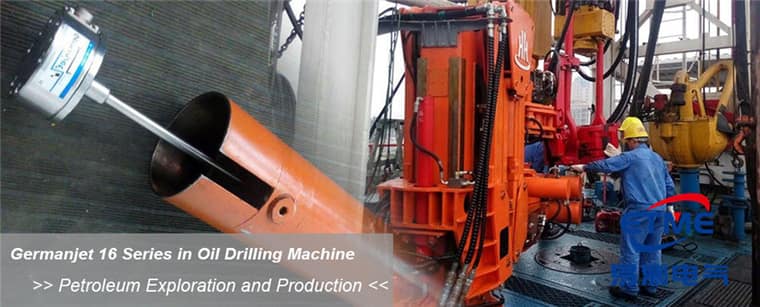
Oil drilling tool position and explosion-protected deployment: the intrinsic-safety 17EX and zone selection explained.

Industrial Robots: Seventh-Axis and Vertical Axis Position

Industrial Robots: Seventh-Axis and Vertical Axis Position

Seventh-axis and vertical axis positioning for industrial robots: external absolute position and synchronized sampling explained.

Position Measurement for Marine Steering Gear and Hatch Cover Cylinders

Position Measurement for Marine Steering Gear and Hatch Cover Cylinders

Position measurement for marine steering gear and hatch cover cylinders: salt-spray corrosion, protection and redundancy essentials explained.

Elevator Traction and Hydraulic Lift Cylinder Monitoring

Elevator Traction and Hydraulic Lift Cylinder Monitoring

Monitoring traction elevator and hydraulic lift cylinder stroke: safety limits and maintenance-free essentials explained.

Positioning for Laser Cutting and Welding Platforms

Positioning for Laser Cutting and Welding Platforms

Positioning for laser cutting and welding platforms: gantry dual-side synchronization and refresh rate matching explained.

Position Feedback for Shield Tunneling Machine Thrust Cylinders

Position Feedback for Shield Tunneling Machine Thrust Cylinders

Position feedback for shield machine thrust cylinders: multi-cylinder synchronization, absolute position and slurry-resistant protection explained.

Woodworking Machinery: Press Stroke and Feed Positioning

Woodworking Machinery: Press Stroke and Feed Positioning

Press platen stroke and feed positioning on woodworking machinery: displacement measurement in dusty environments explained.

Position Measurement in Semiconductor Cleanroom Equipment

Position Measurement in Semiconductor Cleanroom Equipment

Position measurement in semiconductor cleanroom equipment: low particle generation, low noise and external mounting selection explained.

Water Gates and Hoists: Maintenance-Free Outdoor Long-Stroke Measurement

Water Gates and Hoists: Maintenance-Free Outdoor Long-Stroke Measurement

Outdoor long-stroke position monitoring for water gates and hoists, emphasising maintenance-free operation and protection class selection.

Wind Turbine Pitch and Hydraulic Cylinder Position Monitoring

Wind Turbine Pitch and Hydraulic Cylinder Position Monitoring

Wind turbine pitch and hydraulic cylinder position monitoring: outdoor corrosion, intrinsic safety and long service life requirements explained.

Construction Machinery Cylinders: Position Solutions for Excavators and Loaders

Construction Machinery Cylinders: Position Solutions for Excavators and Loaders

Cylinder position solutions for excavators, loaders and other construction machinery, comparing the vibration- and shock-resistant Series 13 with cylinder-integrated types.

Rubber Vulcanising Presses: Coordinating Clamping Position with Temperature Control

Rubber Vulcanising Presses: Coordinating Clamping Position with Temperature Control

Coordinating clamping position with temperature control on rubber vulcanising presses: press stroke and temperature constraints explained.

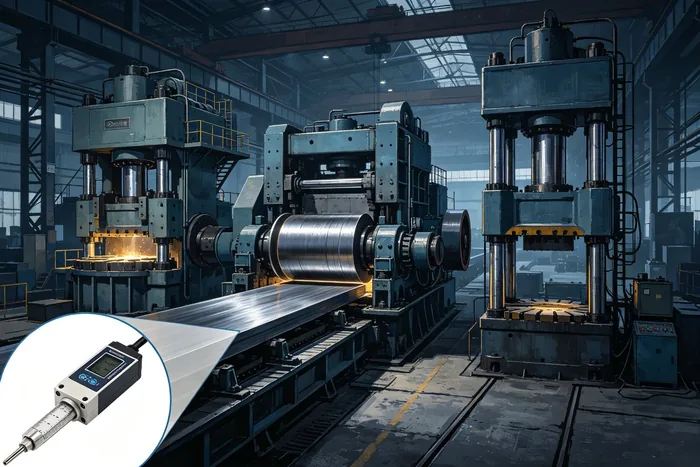
Metallurgical Rolling Mill Roll Gap Control: Long-Stroke Position Solutions

Metallurgical Rolling Mill Roll Gap Control: Long-Stroke Position Solutions

Long-stroke position solutions for roll gap control in metallurgical rolling mills, comparing the flexible long-rod 19F with segmented measurement.

Injection Molding: Closing the Loop on Clamping Force and Shot Volume

Injection Molding: Closing the Loop on Clamping Force and Shot Volume

Clamping force and shot volume in injection molding rely on position feedback — measuring points, integrated vs. external mounting and fieldbus interfacing explained.

High-Accuracy Pressing Position on Servo Hydraulic Presses

High-Accuracy Pressing Position on Servo Hydraulic Presses

High-accuracy pressing position on servo hydraulic presses: resolution, repeatability and μm-level closed-loop configuration explained.

Real-Time Position Feedback for Die Casting Machine Clamping

Real-Time Position Feedback for Die Casting Machine Clamping

Real-time position feedback for die casting clamping and injection, with cylinder-integrated mounting and high-temperature selection essentials.

Two-Platen and All-Electric Injection Machines: Position Measurement Solutions

Two-Platen and All-Electric Injection Machines: Position Measurement Solutions

Position measurement solutions for two-platen and all-electric injection machine retrofits, including external mounting and fieldbus selection essentials.

Comparing the Whole Fieldbus Range: How to Pick CANopen / Profibus / EtherCAT / PROFINET

Comparing the Whole Fieldbus Range: How to Pick CANopen / Profibus / EtherCAT / PROFINET

The first criterion for protocol selection is the master system; only then do synchronization requirements, segment length, diagnostic needs and cost come into play.

Comparing the Whole Cylinder-Integrated Range: How to Choose Among 16 / 16R / 17 / 17EX / 19H

Comparing the Whole Cylinder-Integrated Range: How to Choose Among 16 / 16R / 17 / 17EX / 19H

The five cylinder-integrated models share the same performance; select by filtering through three layers — explosion protection, redundancy and integration method — while sharing three constraints: bore, pressure rating and oil temperature.

Choosing Among the Cylinder-Integrated 13 and the External 18 / 19P / 19F

Choosing Among the Cylinder-Integrated 13 and the External 18 / 19P / 19F

The four external types are judged on three levels — environmental rating, stroke length, and platform and follower structure — with misalignment and bracket resonance as shared risks.

19D Split Type Explained: Moving the Electronics Head Out of High-Temperature and Tight Spaces

19D Split Type Explained: Moving the Electronics Head Out of High-Temperature and Tight Spaces

The 19D separates the electronics head from the measuring rod, solving the problem of a measuring point whose environment exceeds what electronics can withstand — the connecting cable is the critical part.

19F Flexible Long-Stroke Explained: The Only Viable Option for Very Long Strokes

19F Flexible Long-Stroke Explained: The Only Viable Option for Very Long Strokes

The flexible rod of the 19F breaks through the three bottlenecks of rigid designs — deflection, transport and straight-line path — suiting gates, rolling mills and other very long strokes.

19P External Explained: The Trade-Offs Against Series 18

19P External Explained: The Trade-Offs Against Series 18

Both the 19P and 18 are rigid external types with identical performance; the difference is which platform they belong to, and the shared risks are misalignment and bracket resonance.

Analog vs. Digital Across the Whole Range: One Product Selection Matrix

Analog vs. Digital Across the Whole Range: One Product Selection Matrix

A three-step decision based on controller interface, axis count and diagnostic needs, placing the 191 / 192 / 194 / 195 / 197 / 198 / 199 into a single selection matrix.

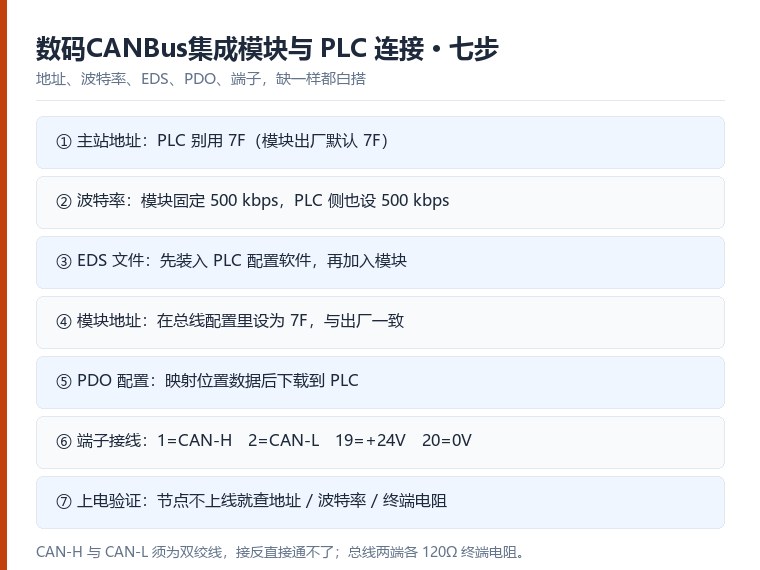
Series 194 CANopen Explained: Putting the DSP406 Profile into Practice

Series 194 CANopen Explained: Putting the DSP406 Profile into Practice

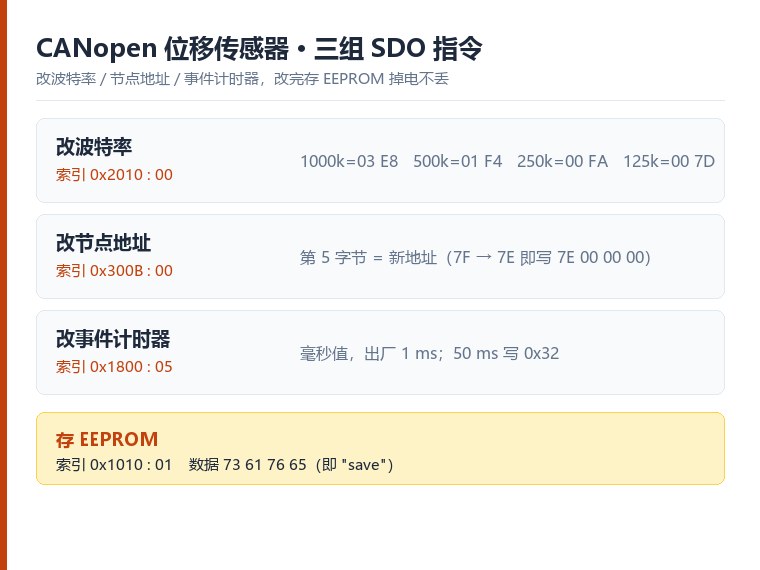
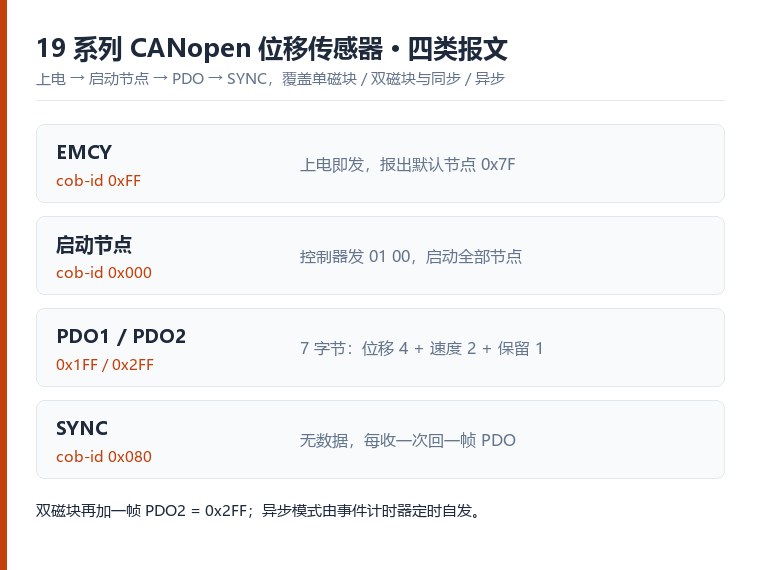
The value of the DSP406 profile on the 194, the division of labour between PDO and SDO, and practical work on node address, baud rate and terminating resistors.

19H Cylinder-Integrated Explained: Where the Trade-Off with Series 17 Lies

19H Cylinder-Integrated Explained: Where the Trade-Off with Series 17 Lies

The 19H and 17 share performance and limits; the difference is the product platform, and the deciding factor is whether the machine builder needs a unified multi-form platform.

Series 199 PROFINET Explained: IRT Isochronous Synchronization and Device Name Assignment

Series 199 PROFINET Explained: IRT Isochronous Synchronization and Device Name Assignment

The difference between RT and IRT on the 199 PROFINET, the device name mechanism, three common GSDML configuration mistakes, and the limits of the synchronization capability.

Series 195 Profibus Explained: GSD Configuration and Diagnostics in Practice

Series 195 Profibus Explained: GSD Configuration and Diagnostics in Practice

GSD configuration essentials for the 195 Profibus DP, slave address and baud rate settings, terminating resistor rules and how to put the diagnostic capability to work.

Series 197 EtherCAT Explained: Slave Configuration and Distributed Clock Synchronization

Series 197 EtherCAT Explained: Slave Configuration and Distributed Clock Synchronization

The processing-frame pass-through mechanism of the 197, ESI configuration and the state machine troubleshooting table, plus the capability limits of DC synchronization.

Series 198 Single-M12 EtherCAT Explained: The Wiring Savings and the Trade-Offs

Series 198 Single-M12 EtherCAT Explained: The Wiring Savings and the Trade-Offs

The 198 combines power and communication in a single M12, cutting connector count and cable exit space — the trade-off is dependence on a dedicated cable.

Series 17 Hydraulic Cylinder Integrated Explained: How It Fundamentally Differs from Series 16

Series 17 Hydraulic Cylinder Integrated Explained: How It Fundamentally Differs from Series 16

Series 17 and 16 share the measuring principle; analogue accuracy, 350/600 vs 350/530 bar, and M18×1.5 vs Ø18G7 are different. The electronics housing is separable from the pressure tube.

Series 18 External Explained: Matching Follower-Rod and Sliding-Carriage

Series 18 External Explained: Matching Follower-Rod and Sliding-Carriage

Follower-rod vs sliding-carriage on Series 18, four-pin voltage wiring red lines, and how to solve misalignment and bracket resonance.

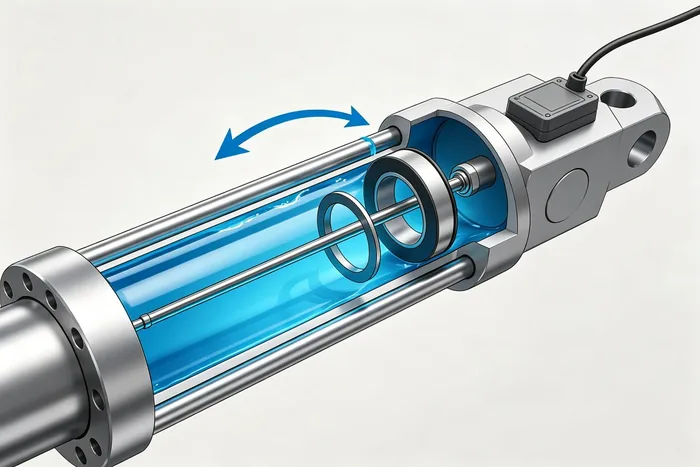
Series 16 Cylinder-Integrated Explained: Bore Requirements and Pressure Limits

Series 16 Cylinder-Integrated Explained: Bore Requirements and Pressure Limits

Series 16 in-cylinder: outputs 160 / 161 / 162 SSI; Ø10 rod, cap Ø18G7, 350/530 bar, piston bore ≥12.7 mm — not the Series 17 M18×1.5 / 350/600 bar figures.

Series 192 SSI Digital Interface Explained: Timing, Gray Code and Data Bit Configuration

Series 192 SSI Digital Interface Explained: Timing, Gray Code and Data Bit Configuration

The four-step timing of the SSI synchronous serial interface, the difference between Gray code and binary, and three configuration-consistency commissioning essentials.

Series 16R Redundant Cylinder-Integrated Explained: How Dual Output Supports Safety-Related Position Detection

Series 16R Redundant Cylinder-Integrated Explained: How Dual Output Supports Safety-Related Position Detection

Dual-channel output on the 16R solves the problem of drift-type erroneous readings that would otherwise go undetected, plus the design essentials for comparison logic on the controller side.

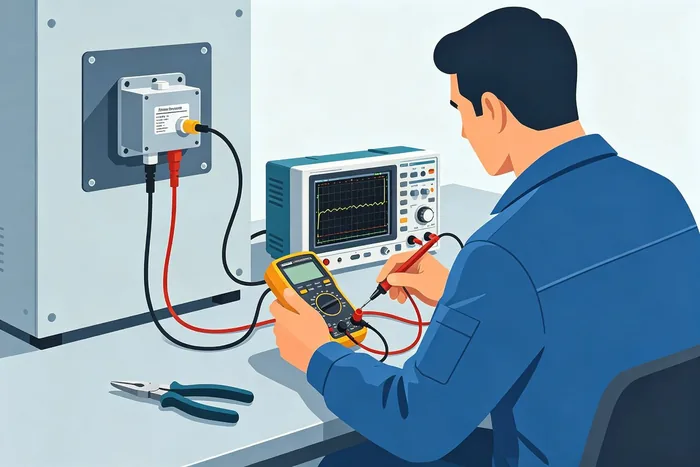
Series 191 Analog Explained: Practical Wiring for 4-20 mA and 0-10 V

Series 191 Analog Explained: Practical Wiring for 4-20 mA and 0-10 V

How to choose between the current loop and the voltage output of the 191, wiring essentials for two-, three- and four-wire configurations, and practical shielding and grounding.

17EX Intrinsic Safety Explained: Deploying Displacement Sensors in Flammable Gas Atmospheres

17EX Intrinsic Safety Explained: Deploying Displacement Sensors in Flammable Gas Atmospheres

The energy-limiting explosion-protection mechanism of the 17EX intrinsic-safety type, safety-barrier parameter matching rules, and a five-step deployment procedure for flammable gas atmospheres.

Series 13 Mobile Hydraulics Explained: IP69K Protection, 25 g Vibration and 100 g Shock Resistance

Series 13 Mobile Hydraulics Explained: IP69K Protection, 25 g Vibration and 100 g Shock Resistance

Reading the three reinforced environmental ratings of Series 13 for mobile hydraulics, and how head-integrated mounting differs from a Series 16/17 deep-bore cylinder.

Series 12 General-Purpose Magnetostrictive Displacement Sensor Explained: Structure, Specifications and Applications

Series 12 General-Purpose Magnetostrictive Displacement Sensor Explained: Structure, Specifications and Applications

The three-section structure of general-purpose Series 12, with 120 / 121 resolution written separately — the default choice when pressure, explosion protection or heavy vibration impose no constraints.

Why Choose Magnetostrictive Sensing for Hydraulic Cylinder Position Control? From Injection Molding to Metallurgical Presses

Why Choose Magnetostrictive Sensing for Hydraulic Cylinder Position Control? From Injection Molding to Metallurgical Presses

Starting from the high-temperature, high-pressure, oil-contaminated, long-stroke conditions of hydraulic cylinders, this explains how to choose between cylinder-integrated and external magnetostrictive types and why they run maintenance-free.